Tree Trimming vs. Tree Pruning: What Is the Difference?

tree trimming Gaithersburg MD

Tree trimming and tree pruning are often used interchangeably, but they are not exactly the same. Both services involve removing branches, but they serve different purposes. Understanding the difference can help homeowners and business owners make better decisions about tree care, property safety, and long-term tree health.

At J & B Tree Services, LLC, we provide professional tree trimming and tree pruning in Gaithersburg, Montgomery County, and surrounding Maryland areas. Whether your goal is to improve clearance, reduce hazards, or support healthy tree growth, the right service can make a major difference.

What Is Tree Trimming?

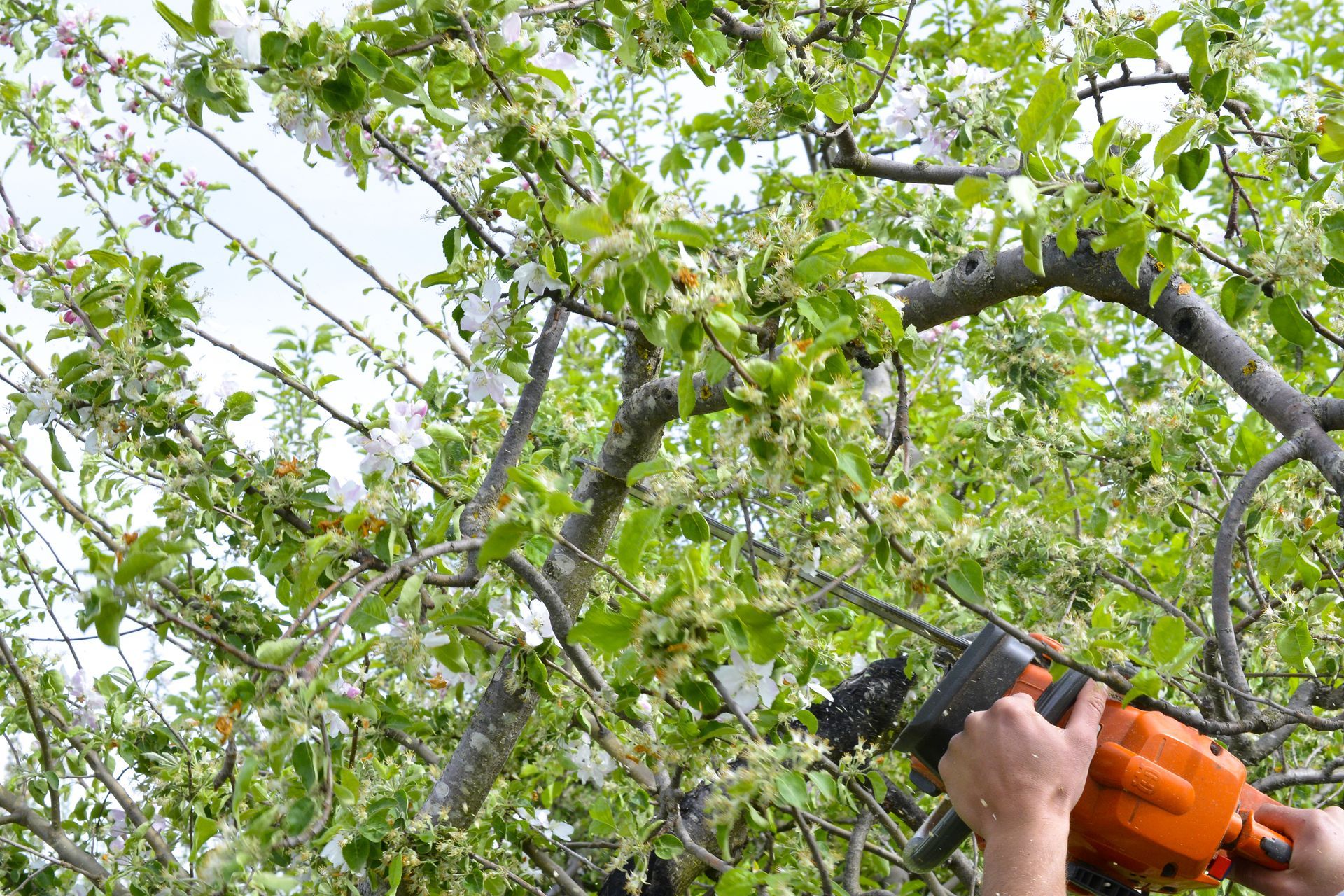
Tree trimming is usually focused on safety, clearance, appearance, and structural balance. It is often performed when branches are growing too close to a home, business, driveway, sidewalk, fence, roof, or utility area.

Common reasons for tree trimming include:

  • Removing low-hanging branches
  • Clearing limbs away from roofs or siding
  • Improving visibility around driveways and walkways
  • Reducing weight from overextended branches
  • Shaping the tree for better balance
  • Preventing branches from rubbing against structures

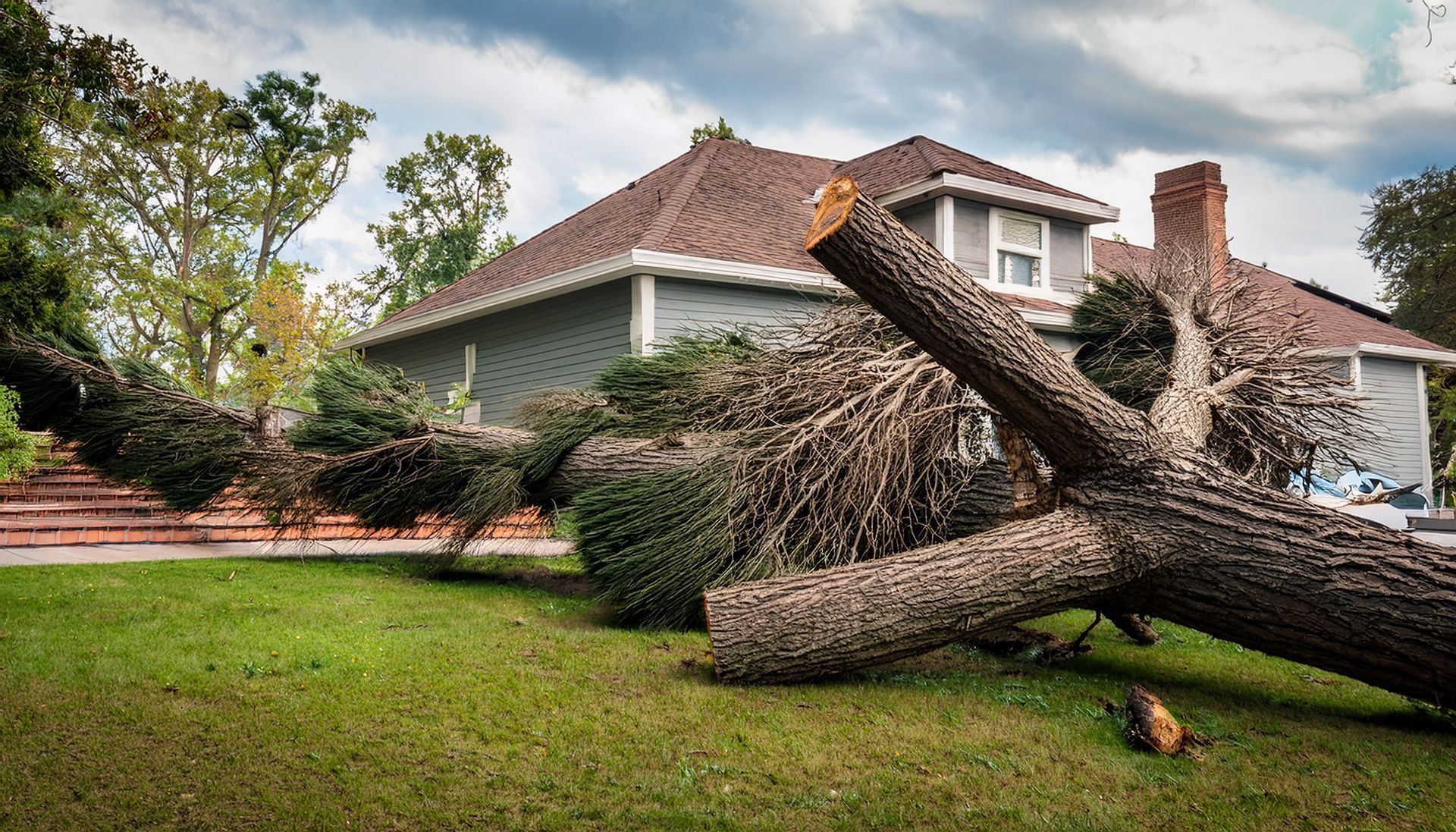
Tree trimming is especially important when limbs are creating property hazards. Branches that touch your home can damage shingles, siding, gutters, and windows. They may also create access points for pests and wildlife. During storms, overgrown limbs can break and cause costly damage.

What Is Tree Pruning?

Tree pruning is more focused on tree health, structure, and long-term growth. While trimming often addresses clearance and safety, pruning targets the internal condition of the tree.

Professional tree pruning may involve removing:

  • Dead branches
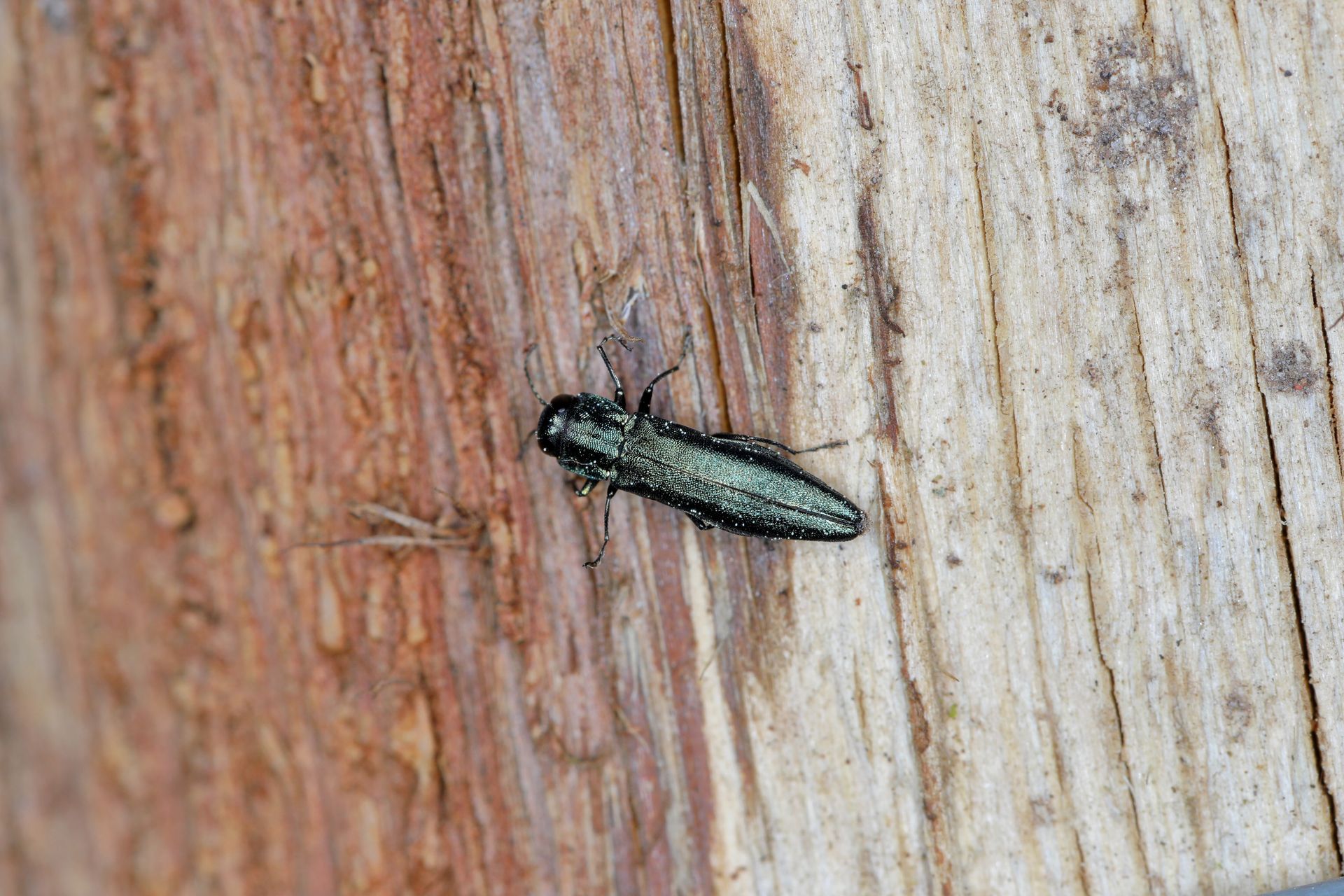
  • Diseased branches
  • Weak or crossing limbs
  • Damaged growth
  • Poorly attached branches
  • Branches affecting the tree’s structure

Proper pruning helps improve airflow, reduce disease risk, and support healthier growth. It can also help young trees develop stronger structure over time. When done correctly, pruning protects both the tree and the surrounding property.

Why Proper Cutting Techniques Matter

Tree work is not just about cutting branches. Where and how the cut is made affects how the tree responds. Improper cuts can damage the branch collar, expose the tree to decay, slow healing, and create long-term structural problems.

Overcutting is also a common issue. Removing too much of the canopy at one time can stress the tree and make it more vulnerable to disease, insects, and sun damage. Professional tree care helps avoid these mistakes by using proper methods based on the tree’s size, condition, species, and location.

How Often Should Trees Be Trimmed or Pruned?

There is no single schedule that applies to every tree. The right timing depends on the tree’s species, age, health, growth rate, and location on the property.

Trees near homes, businesses, parking lots, sidewalks, and roads may need more frequent trimming to maintain safe clearance. Trees with dead, diseased, or damaged branches should be evaluated as soon as the issue is noticed. Younger trees may benefit from pruning to encourage strong structure, while mature trees may need selective maintenance to reduce risk.

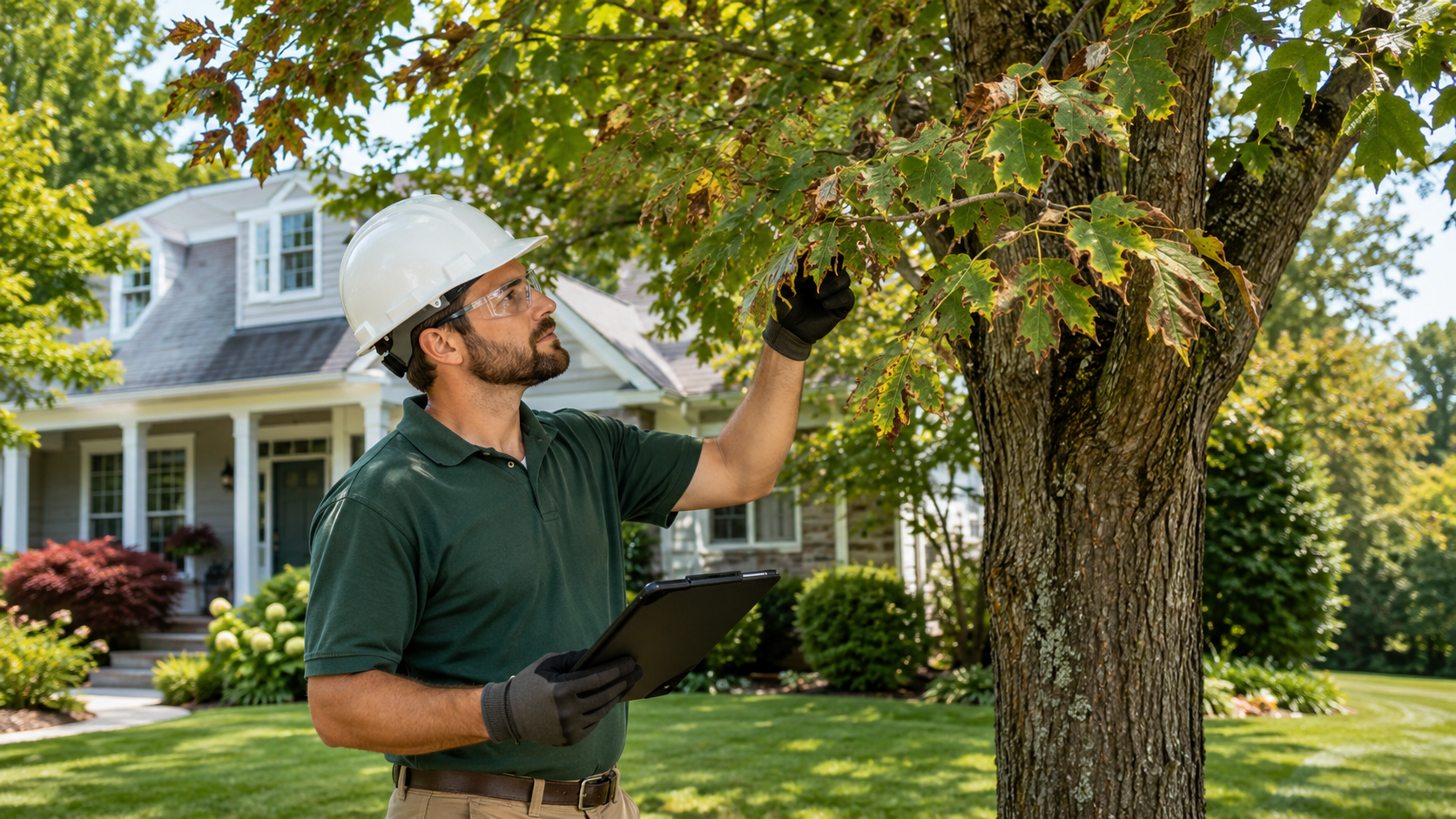
A professional tree service can inspect your trees and recommend a schedule based on safety and tree health.

Signs Your Tree May Need Trimming or Pruning

You may need professional tree trimming or pruning if you notice:

  • Branches touching your roof, siding, or windows
  • Dead limbs in the canopy
  • Branches hanging over driveways or walkways
  • Limbs blocking sunlight or visibility
  • Branches rubbing against each other
  • Heavy limbs extending toward structures
  • Cracked, broken, or storm-damaged branches
  • Uneven tree shape or poor balance

Ignoring these issues can lead to larger problems later. Regular maintenance helps reduce hazards before they become emergencies.

Why Hire a Professional Tree Service?

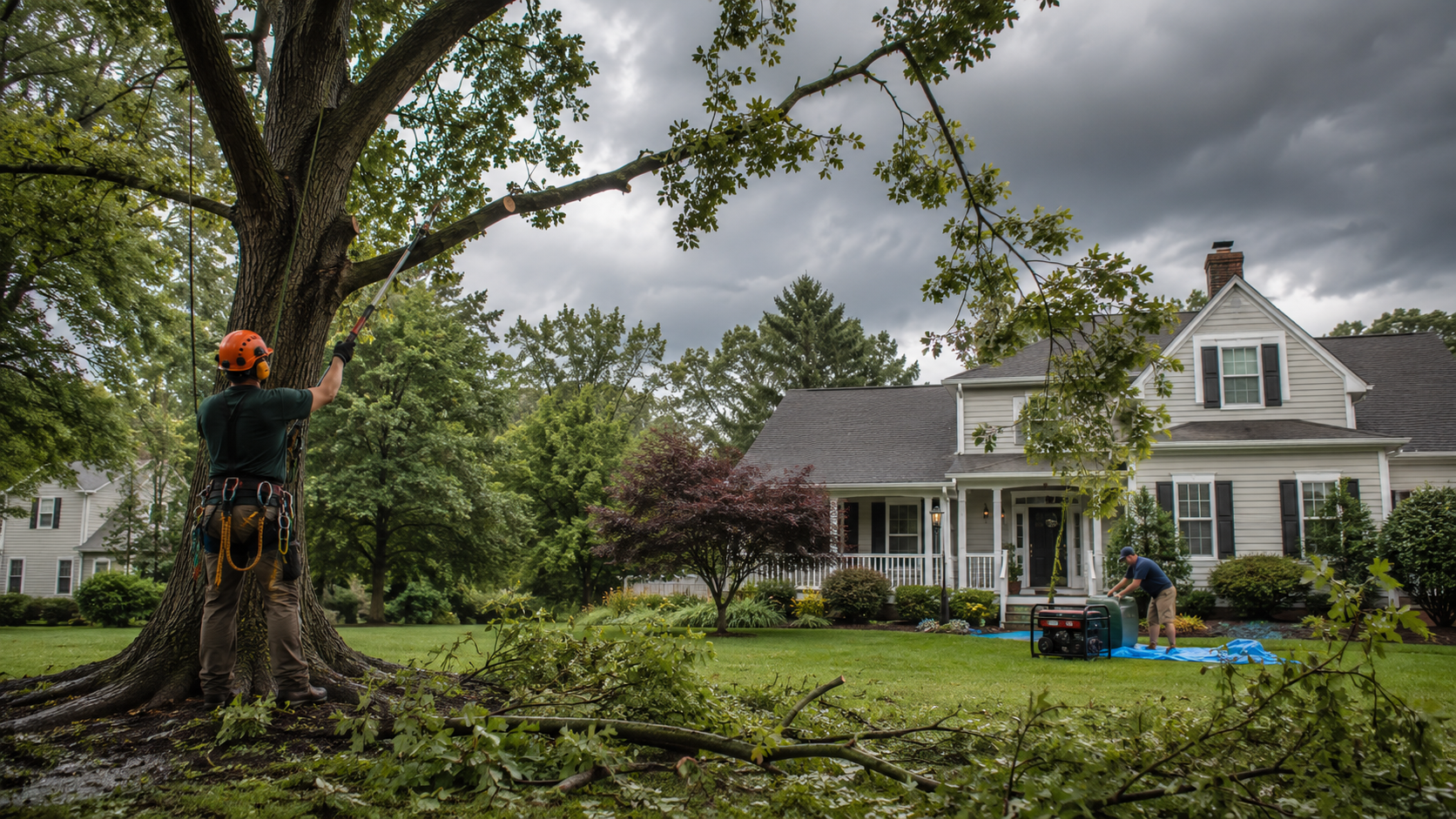
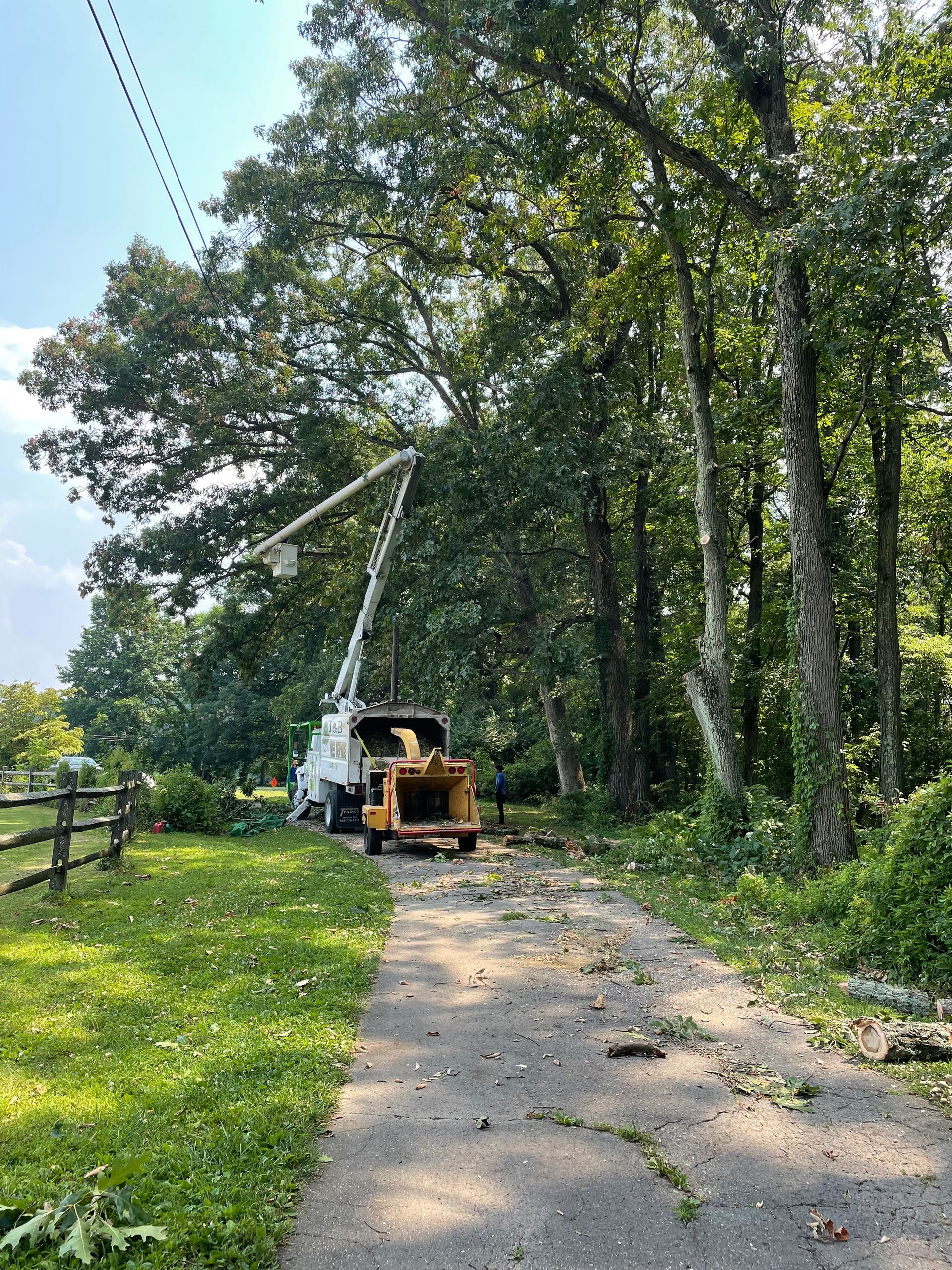
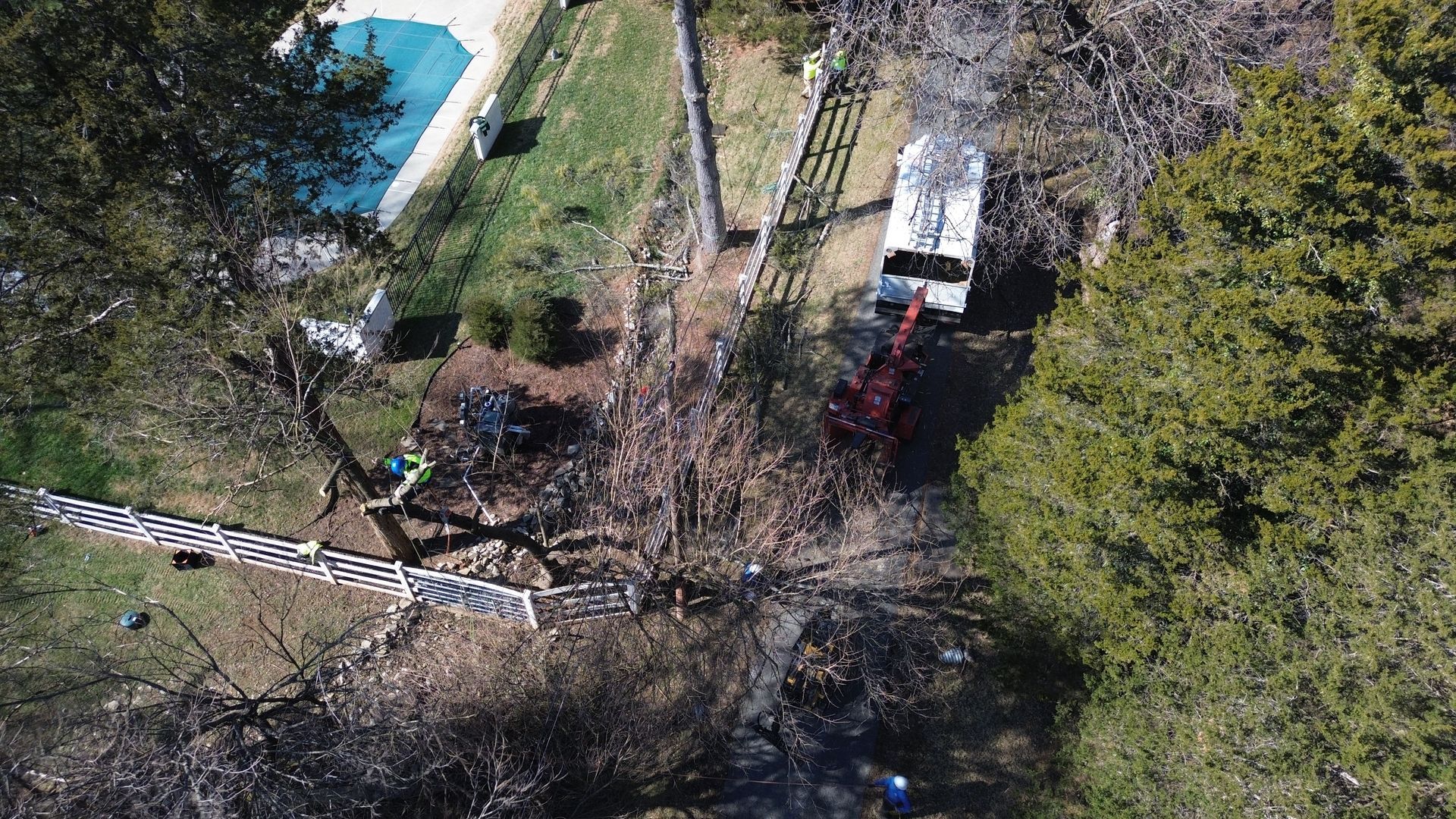
Tree trimming and pruning can be dangerous without the right training and equipment. Tall trees, heavy limbs, ladders, power tools, and nearby structures all increase the risk. A professional tree service knows how to evaluate the tree, plan the work, make proper cuts, and clean up the property afterward.

Hiring a licensed and insured company also protects you from unnecessary risk. Instead of guessing which branches to remove, you get expert guidance based on safety, tree health, and property protection.

Schedule Tree Trimming or Tree Pruning in Gaithersburg, MD

If your trees are overgrown, damaged, or too close to your home or business, J & B Tree Services, LLC is ready to help. We provide professional tree trimming and tree pruning in Gaithersburg, Montgomery County, and surrounding areas.

Our team focuses on safe work, proper techniques, honest recommendations, and clean results. Whether you need clearance trimming, health-focused pruning, or an inspection after storm damage, we can help you choose the right service.

Call J & B Tree Services, LLC today at 240-361-7705 to request a free estimate.
Recent Posts

tree removal Gaithersburg MD
By Julio Bonilla June 5, 2026
Learn when tree removal may be necessary for safety. J & B Tree Services provides professional tree removal in Gaithersburg, MD, and Montgomery County.
By Julio Bonilla May 12, 2026
The Hidden Cost of Ignoring Dead Branches
By Julio Bonilla May 5, 2026
The Hidden Cost of Ignoring Dead Branches
By Julio Bonilla April 30, 2026
How Tree Roots Can Impact Your Property (And What You Should Watch For)
By Julio Bonilla April 9, 2026
The Cost of Waiting: Why Delaying Tree Care Can Get Expensive
By Julio Bonilla March 10, 2026
Seasonal Tree Care Tips for Maryland Homeowners Maryland’s changing seasons bring a variety of weather conditions that can impact the health and safety of your trees. From winter storms and summer heat to spring growth and fall preparation, seasonal tree care is essential for maintaining a strong, healthy landscape year-round. Following proper seasonal tree care tips in Maryland can help homeowners protect their property, improve curb appeal, and prevent costly tree-related issues. Why Seasonal Tree Care Matters Each season presents unique challenges for trees, making year-round maintenance critical. Proper seasonal tree care helps: Promote Healthy Growth: Seasonal pruning and maintenance encourage strong branches and balanced growth. Prevent Storm Damage: Addressing weak or damaged limbs before severe weather reduces the risk of falling branches. Improve Tree Longevity: Regular care helps trees withstand environmental stress and resist disease. Enhance Property Safety: Proactive tree maintenance minimizes hazards to homes, driveways, and power lines. Seasonal Tree Care Tips for Maryland Here’s how homeowners can care for their trees throughout the year: Spring Tree Care Spring is a time of rapid growth, making it ideal for inspections and maintenance. Inspect trees for winter damage such as cracked limbs or broken branches. Schedule pruning to remove dead or damaged growth. Mulch around tree bases to retain moisture and improve soil health. Summer Tree Care Summer heat can stress trees, especially during dry periods. Water trees deeply during extended dry spells, especially young trees. Monitor for pests and signs of disease. Light pruning can help shape trees, but heavy pruning should be avoided. Fall Tree Care Fall is all about preparation for colder months. Remove weak or hazardous branches before winter storms arrive. Clear fallen leaves and debris to prevent fungal growth. Schedule tree inspections to identify potential risks before snow and ice. Winter Tree Care Winter is an excellent time for certain tree services. Dormant pruning helps promote healthy spring growth. Address hazardous trees that could fail under snow or ice. Plan future tree care projects for the coming year. Trust J&B Tree Services for Year-Round Tree Care At J&B Tree Services, we provide expert seasonal tree care services in Maryland tailored to your property’s needs. From pruning and inspections to tree removal and emergency services, our experienced team ensures your trees remain healthy, safe, and well-maintained through every season. Contact us today to schedule professional tree care and protect your landscape all year long. Helpful Resources https://www.arborday.org/tree-care-maintenance https://extension.umd.edu/resource/home-and-garden-sitemap/
By Julio Bonilla March 1, 2026
When Should You Remove a Tree? Key Warning Signs Maryland Homeowners Should Watch For Trees add beauty, shade, and value to a property, but sometimes they can also pose serious safety risks. Knowing when a tree should be removed is an important part of protecting your home and maintaining a healthy landscape. While many trees can be preserved through proper care and pruning, others may become hazardous due to damage, disease, or structural instability. Common Reasons Trees Need to Be Removed Tree removal is often necessary when a tree becomes a safety concern or can no longer be maintained safely. Some of the most common reasons include: Severe Storm Damage- Strong winds, lightning, and heavy snow can cause structural damage that makes a tree unstable. Disease or Decay- Fungal growth, hollow trunks, and rotting wood can weaken a tree’s structure over time. Leaning Trees- A tree that suddenly begins leaning or shifts after a storm may have root damage that compromises its stability. Roots Damaging Property- Tree roots can sometimes interfere with sidewalks, driveways, or building foundations. Dead Trees- A dead tree quickly becomes brittle and unpredictable, increasing the likelihood of falling limbs or complete collapse. Warning Signs That a Tree May Be Dangerous Homeowners should regularly inspect their trees for warning signs that indicate a potential hazard. These signs may include: Large dead branches Deep cracks in the trunk Mushrooms or fungal growth near the base Peeling or missing bark Excessive leaning Hollow areas within the trunk If you notice these issues, a professional tree evaluation can determine whether removal is necessary. Why Professional Tree Removal Is Important Tree removal can be complex and dangerous, especially when trees are located near homes, power lines, or structures. Professional tree service companies use specialized equipment and safety techniques to safely remove trees while minimizing risk to surrounding property. Attempting to remove a large tree without proper training can result in serious injury or costly damage. Protecting Your Property and Landscape Removing a hazardous tree can help prevent property damage and create space for healthier trees and landscaping. After removal, services like stump grinding can also help restore the appearance and usability of your yard. Get a Professional Tree Assessment If you're unsure whether a tree on your property should be removed, a professional evaluation can provide peace of mind. Early detection of potential problems allows homeowners to take action before a dangerous situation develops. At J & B Tree Services, LLC , we help Maryland homeowners make informed decisions about tree removal, trimming, and overall tree care.
By Julio Bonilla January 13, 2026
Seasonal Tree Care Tips for Maryland Homeowners Maryland’s changing seasons bring a variety of weather conditions that can impact the health and safety of your trees. From winter storms and summer heat to spring growth and fall preparation, seasonal tree care is essential for maintaining a strong, healthy landscape year-round. Following proper seasonal tree care tips in Maryland can help homeowners protect their property, improve curb appeal, and prevent costly tree-related issues. Why Seasonal Tree Care Matters Each season presents unique challenges for trees, making year-round maintenance critical. Proper seasonal tree care helps: Promote Healthy Growth: Seasonal pruning and maintenance encourage strong branches and balanced growth. Prevent Storm Damage: Addressing weak or damaged limbs before severe weather reduces the risk of falling branches. Improve Tree Longevity: Regular care helps trees withstand environmental stress and resist disease. Enhance Property Safety: Proactive tree maintenance minimizes hazards to homes, driveways, and power lines. Seasonal Tree Care Tips for Maryland Here’s how homeowners can care for their trees throughout the year: Spring Tree Care Spring is a time of rapid growth, making it ideal for inspections and maintenance. Inspect trees for winter damage such as cracked limbs or broken branches. Schedule pruning to remove dead or damaged growth. Mulch around tree bases to retain moisture and improve soil health. Summer Tree Care Summer heat can stress trees, especially during dry periods. Water trees deeply during extended dry spells, especially young trees. Monitor for pests and signs of disease. Light pruning can help shape trees, but heavy pruning should be avoided. Fall Tree Care Fall is all about preparation for colder months. Remove weak or hazardous branches before winter storms arrive. Clear fallen leaves and debris to prevent fungal growth. Schedule tree inspections to identify potential risks before snow and ice. Winter Tree Care Winter is an excellent time for certain tree services. Dormant pruning helps promote healthy spring growth. Address hazardous trees that could fail under snow or ice. Plan future tree care projects for the coming year. Trust J&B Tree Services for Year-Round Tree Care At J&B Tree Services, we provide expert seasonal tree care services in Maryland tailored to your property’s needs. From pruning and inspections to tree removal and emergency services, our experienced team ensures your trees remain healthy, safe, and well-maintained through every season. Contact us today to schedule professional tree care and protect your landscape all year long. Helpful Resources https://www.arborday.org/tree-care-maintenance https://extension.umd.edu/resource/home-and-garden-sitemap/
By Julio Bonilla December 16, 2025
How Healthy Trees Can Increase Your Property Value Healthy, well-maintained trees are more than a landscaping feature—they are an investment that can significantly improve your home’s worth. Studies show that mature, properly cared-for trees can increase property values by 10–20% . At J & B Tree Services, we help homeowners protect and maximize that investment. Key Ways Healthy Trees Add Value 1. Enhanced Curb Appeal A home with neatly trimmed, vibrant trees creates a positive first impression. Buyers are more attracted to properties that look well cared for. Homes with healthy landscaping often sell faster and at higher prices. 2. Energy Savings Through Shade and Protection Trees provide natural shade, reducing cooling costs in the summer. Evergreens act as windbreaks in winter, lowering heating bills. Buyers see these long-term energy savings as added value. 3. Environmental and Lifestyle Benefits Trees improve air quality and reduce noise pollution. They provide habitats for birds and wildlife, adding to neighborhood charm. Families value peaceful, healthy outdoor spaces. 4. Reduced Safety Risks Dead or unhealthy trees can cause property damage or personal injury. Professionally maintained trees lower liability concerns for potential buyers. A safe, well-kept yard gives buyers confidence in the property. The Bottom Line Healthy trees are not just a “nice-to-have” feature of your property—they are long-term assets that pay for themselves over time. From boosting curb appeal and reducing energy costs to improving safety and protecting your home from potential damage, trees provide both financial and lifestyle benefits . A property with thriving, professionally maintained trees is more attractive to buyers, commands higher market value , and creates a safer environment for your family today. On the other hand, neglected or unhealthy trees can have the opposite effect—posing safety hazards, increasing maintenance costs, and even lowering property value. Investing in regular tree care ensures that your trees remain strong, beautiful, and an advantage to your property, rather than a liability. Why Work with J & B Tree Services? Certified experts with years of experience in tree health, trimming, and removals. Customized care plans for residential and commercial properties. Honest advice focused on safety, beauty, and long-term value.
By Julio Bonilla November 24, 2025
Tree Trimming vs. Tree Pruning: What’s the Difference? When it comes to caring for your trees, two terms are often used interchangeably: trimming and pruning. While both involve cutting branches, they actually serve very different purposes. Knowing the difference can help homeowners make better decisions about their landscapes and avoid costly mistakes. At J & B Tree Services, our goal is to educate property owners and provide expert care so your trees remain healthy, safe, and beautiful year-round. What is Tree Trimming? Tree trimming focuses primarily on appearance and maintenance. It’s the process of cutting back overgrown branches that make a tree look messy, uneven, or unsafe around your home. Trimming is often done to: Maintain shape and structure – keeping the tree’s canopy balanced and aesthetically pleasing. Improve visibility and clearance – ensuring branches don’t obstruct driveways, sidewalks, or views. Protect nearby structures – preventing branches from scraping against roofs, gutters, or siding. Allow more sunlight to reach your lawn or garden – promoting healthier grass and plants. Trimming is essentially about keeping your property looking polished and preventing small issues from becoming bigger ones. What is Tree Pruning? Pruning, on the other hand, is about the health and safety of the tree itself. Rather than just shaping, pruning involves removing dead, diseased, or structurally weak branches so the tree can thrive. Pruning is often done to: Prevent the spread of disease and pests – removing infected branches before the problem spreads. Encourage strong growth – eliminating weak or crossing limbs so healthier branches get the nutrients they need. Reduce hazards – lowering the risk of falling branches during storms or high winds. Extend the lifespan of the tree – by promoting a healthier, more balanced structure. Think of pruning as preventative healthcare for your trees. Why Both Are Important Trimming and pruning go hand-in-hand, but their purposes differ: Trimming = keeps your trees neat, controlled, and safe around your property. Pruning = keeps your trees healthy, strong, and free from disease or decay. Homeowners often notice when a tree looks overgrown and assume it just needs trimming, but in reality, neglecting pruning can create hidden dangers. Over time, unchecked disease or weak limbs can lead to costly damage—or even full tree removal. Regular care that includes both services ensures your trees are not only attractive but also structurally sound. The Risks of DIY Tree Care While some homeowners attempt trimming or pruning on their own, improper cuts can weaken a tree, spread disease, or create long-term safety hazards. Climbing trees and handling heavy branches without the right equipment also poses serious risks. Professional tree experts know where and how to cut, ensuring your tree heals properly and remains strong. Why Choose J & B Tree Services? Our certified experts bring years of hands-on experience to every job. We know when a tree needs a simple cosmetic trim versus a careful health-focused pruning, and we tailor our approach to the unique needs of your property. By choosing J & B Tree Services, you’re not just maintaining appearances—you’re investing in the long-term safety, beauty, and value of your home.
Show More