August’s heat and humidity create ideal conditions for fungi and bacteria. Tree diseases often work from the inside out, and by the time visible symptoms appear, significant damage may already be done. Learning to recognize disease symptoms early—and taking action—can help homeowners preserve valuable landscape trees and avoid unexpected failures.
Anthracnose: Fungal Spots and Early Leaf Drop
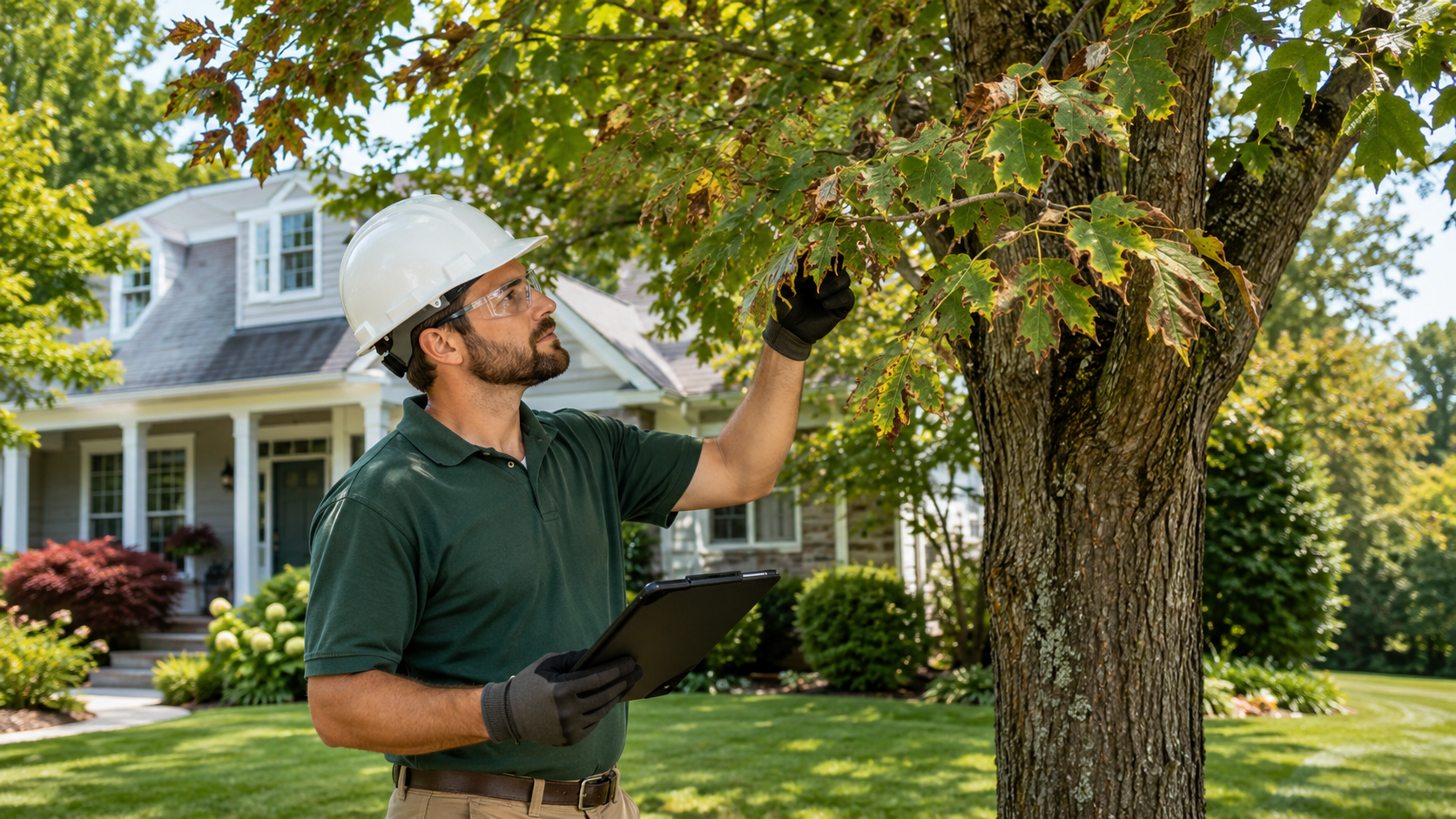
Anthracnose refers to a group of fungal diseases that commonly affect oaks, maples, sycamores, dogwoods and ash trees in Maryland. Cool, wet spring weather allows spores to infect young leaves, and symptoms often appear in late spring or early summer. Watch for:
- Brown spots along leaf veins: Lesions follow the veins and may merge, killing large sections of the leaf.
- Distorted young leaves: Leaves infected while developing may twist or curl as healthy tissue grows around dead areas.
- Early defoliation and twig dieback: Severely infected trees may drop leaves in early summer and experience dieback on branch tips.
For most mature trees, anthracnose is more cosmetic than fatal, but repeated infections can weaken a tree over time. The best defense is good tree care: rake and dispose of fallen leaves in the fall to reduce overwintering spores, prune out dead twigs to remove infected wood, and thin dense canopies to improve air circulation. Fungicide treatments must be applied preventively in early spring and are usually reserved for high-value trees.
Bacterial Leaf Scorch: The Slow Decline
Bacterial leaf scorch (BLS) is caused by the bacterium Xylella fastidiosa and is common on oaks, elms and sycamores in Maryland. Unlike drought stress, which affects the canopy evenly, BLS produces scattered symptoms throughout the tree. Signs include:
- Browning leaf margins: Leaves look scorched around the edges, usually starting in mid‑ to late‑summer.
- Scattered symptoms: Some branches show scorched leaves while others remain green.
- Symptoms worsen over time: Each year more of the canopy shows signs as the infection spreads.
- Leaves stay attached: Unlike many diseases, scorched leaves often remain on the tree until fall.
There is no cure for BLS because the bacterium lives in the tree’s xylem and blocks water transport. Trees may decline slowly for years. Antibiotic injections can temporarily suppress symptoms but must be repeated annually and are expensive. Homeowners can prolong the life of infected trees by ensuring adequate water and reducing other stresses. When decline becomes severe or hazardous, removal may be the safest option.
Verticillium Wilt: A Soil‑Borne Threat
Verticillium wilt is caused by soil-borne fungi that invade the roots and spread through the tree’s vascular system. Maples, ashes, magnolias and redbuds are particularly susceptible. Look for:
- One-sided symptoms: One side or section of the tree shows wilting, yellowing or browning leaves, while the rest looks healthy.
- Leaf scorch and curling: Leaves dry out and curl at the edges.
- Stunted growth: New growth is smaller and weaker than normal.
Verticillium spores can persist in soil for years. Avoid planting susceptible species in areas where wilt has been diagnosed. There is no chemical cure; the best management is to improve tree vigor with proper watering and mulching and to prune out infected branches. Severely affected trees may need to be removed and replaced with resistant species.
When to Seek Professional Help
Diagnosing tree diseases can be challenging because symptoms often resemble drought stress or nutrient deficiencies. If your tree’s canopy thins unexpectedly, leaves show irregular spotting or browning, or one side of the tree begins to wilt, consult a certified arborist. A professional evaluation can determine whether the issue is pest‑related, a disease or structural decline and can recommend the appropriate action. Many diseases require timely intervention—waiting too long can reduce treatment options or make removal the only safe choice.
Trust the Experts at J & B Tree Services
Healthy trees enhance your property value and provide shade and beauty. Disease‑ridden or dying trees, however, can quickly become liabilities.
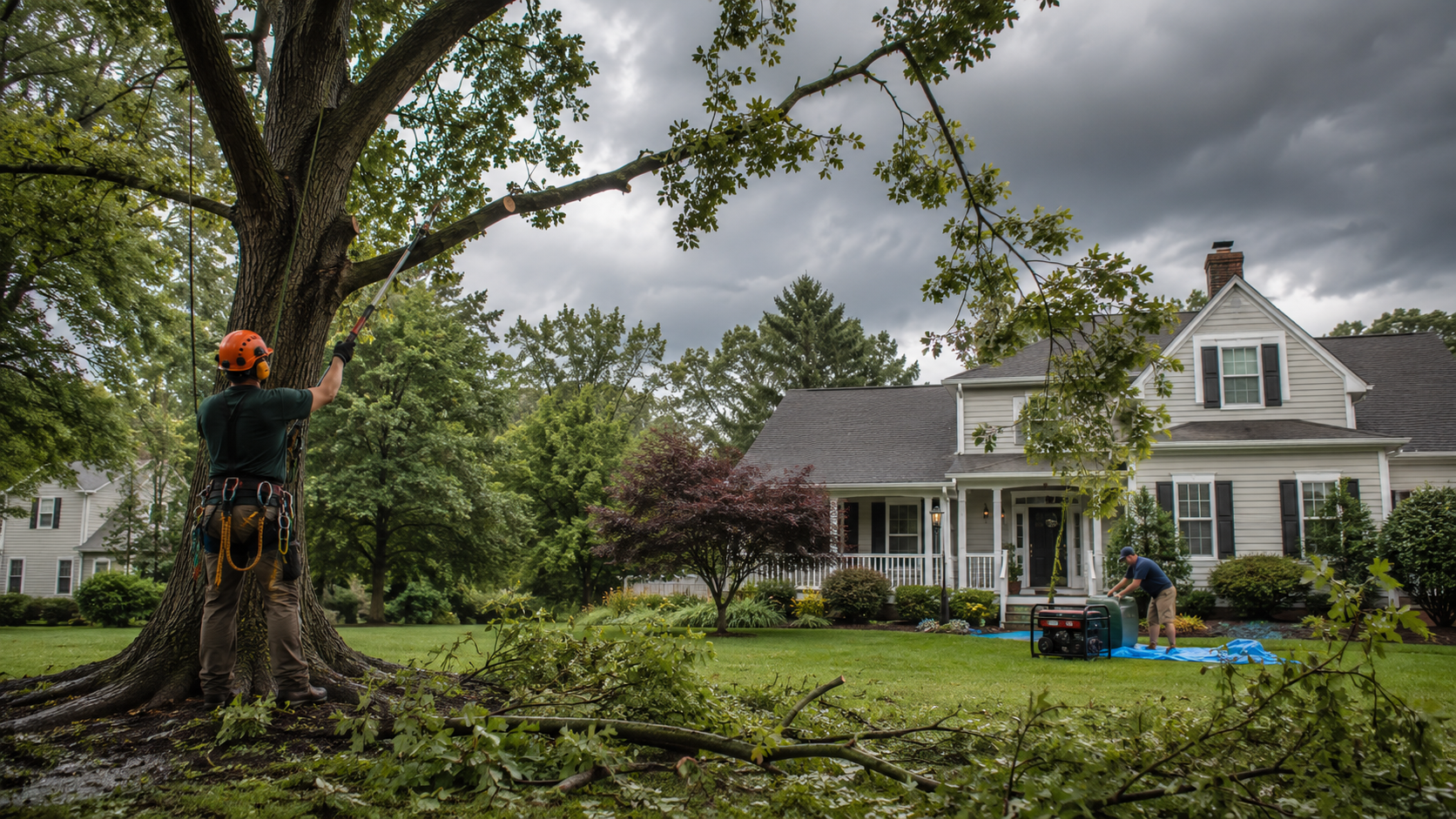
J & B Tree Services, LLC offers disease diagnosis, pruning and, when necessary, tree removal throughout Gaithersburg, Montgomery County and nearby communities. Our licensed and insured crews use proper safety protocols to protect your property and restore your landscape. Call
240‑361‑7705 to schedule a consultation and let us help keep your trees vibrant and healthy through every season.