July Tree Pests in Gaithersburg: Spot Emerald Ash Borer Early and Protect Your Trees

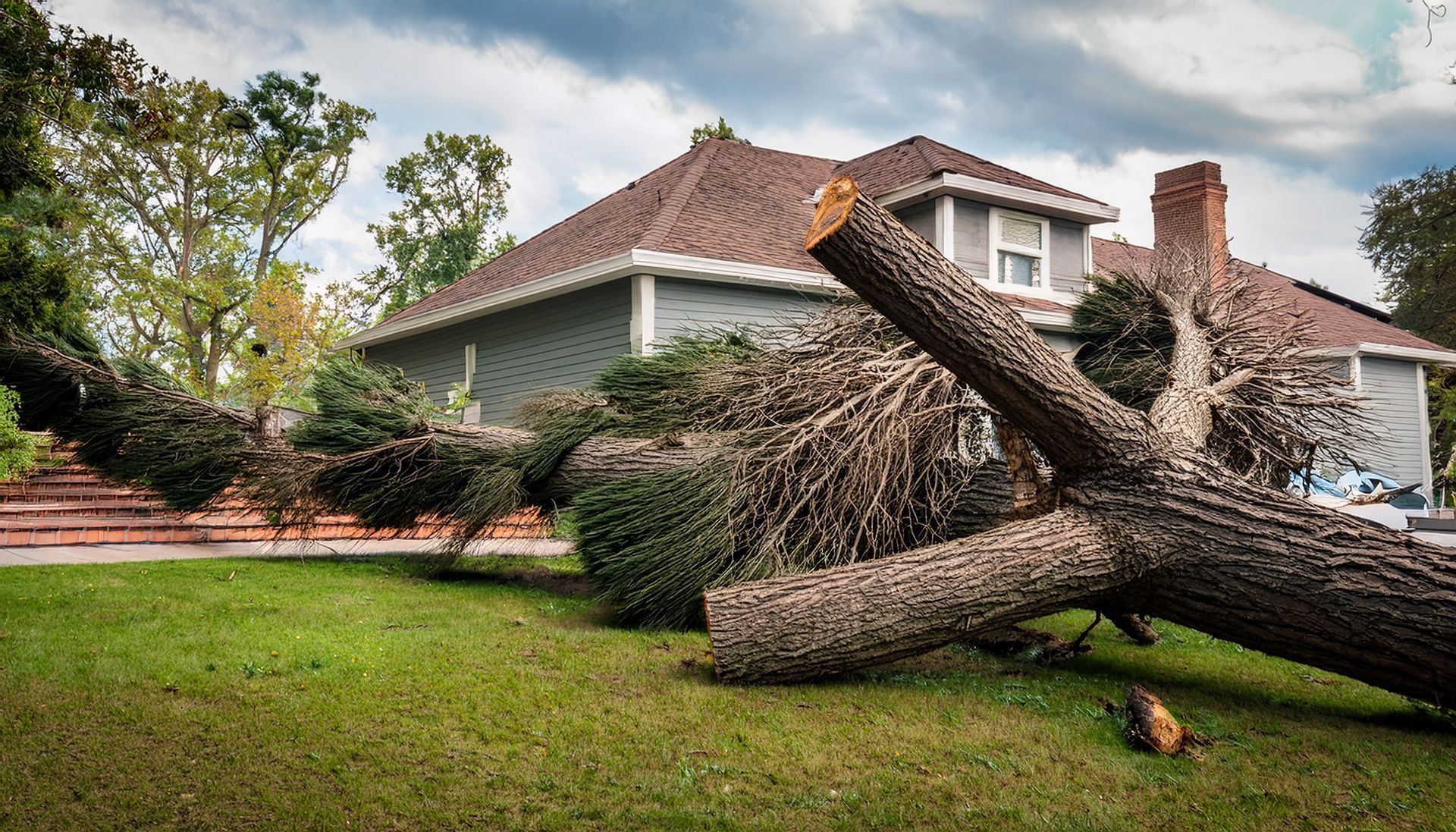
As July temperatures climb, insect populations explode. Many tree pests are more than just a nuisance—their feeding can weaken trunks and branches, making trees susceptible to breakage. For homeowners in Gaithersburg, Montgomery County and surrounding areas, learning to spot signs of infestation early can save trees and prevent costly damage. Healthy trees are less likely to host pests and are better able to recover from minor feeding.

Emerald Ash Borer: The Ash Tree Killer

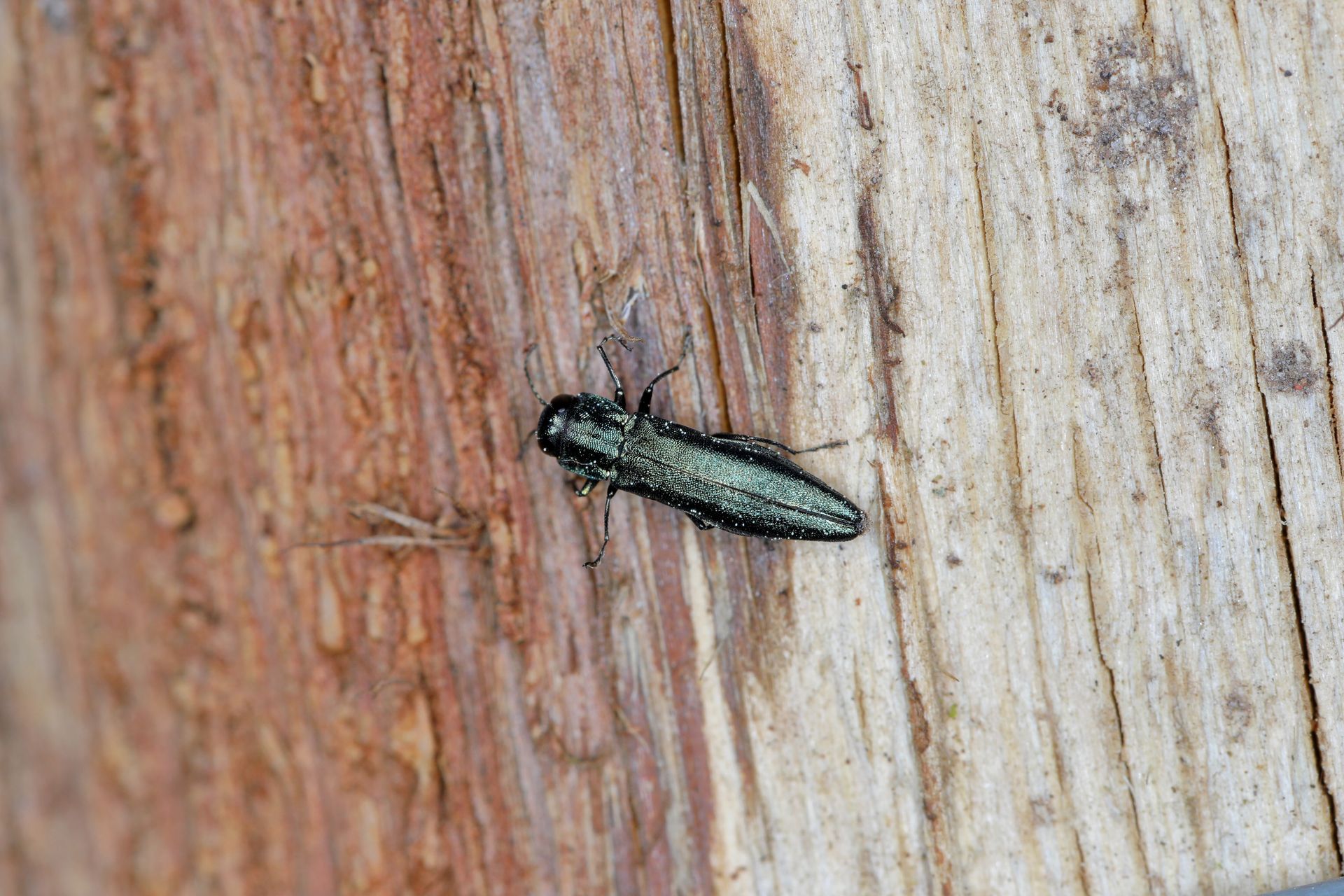
The emerald ash borer (EAB) is perhaps the most notorious pest in Maryland. This invasive beetle has killed millions of ash trees across the eastern United States and is well‑established in Maryland. EAB larvae burrow under the bark and carve serpentine tunnels through the tree’s cambium—the layer that moves water and nutrients—eventually starving even a large, healthy ash within three years.

How to Spot an EAB Infestation

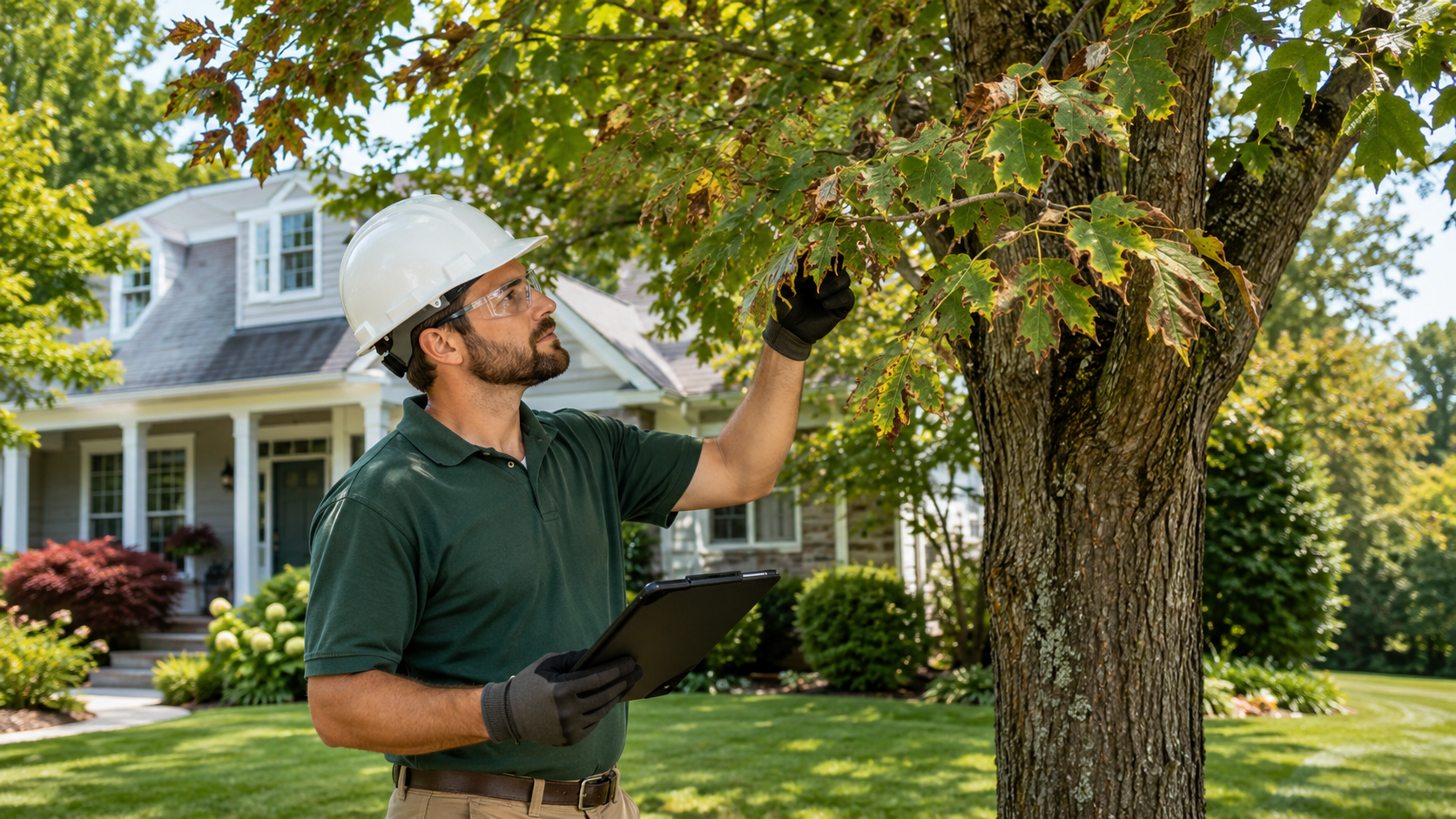
Early detection of EAB is difficult because symptoms appear gradually. Signs to watch for include:

  • Thinning canopy: The top third of the tree starts to thin out and die back.
  • Sprouting below the canopy: In response to crown dieback, the tree may push out new shoots and branches lower on the trunk or main branches.
  • D‑shaped exit holes: Adult beetles chew their way out of the tree, leaving small holes shaped like the letter “D.”
  • Woodpecker damage: Woodpeckers feed on EAB larvae; bark that has been stripped away in patches (sometimes called “blonding”) is a red flag.
  • Serpentine galleries under the bark: If you peel back loose bark, you may see S‑shaped tunnels carved by the larvae.
  • Vertical bark splits: As the tree weakens, the bark may begin to split vertically.

If you suspect EAB, consult a certified arborist right away. Treatment is possible for high‑value trees if the infestation is caught early, but injections must be done by a professional and repeated regularly. Once more than 50 % of the canopy is gone, removal and replacement with a different species is usually more practical.

Other Summer Pests to Watch For

In addition to EAB, several other insects can damage Maryland trees in summer. Bagworms and Japanese beetles defoliate pines, spruces and ornamental trees, leaving them ragged. Spider mites suck sap from leaves during dry spells, causing stippling and leaf drop. While these pests rarely kill a tree outright, heavy infestations can stress trees and predispose them to disease. Maintaining tree vigor with proper watering, mulching and soil care is the best defense. Monitor your trees regularly for chewed leaves, silken bags or webbing, and sticky residue on leaves (a sign of sap-sucking insects). Remove infested branches if possible and contact a tree care professional to discuss treatment options.

Prevention and Management

An integrated approach can help keep summer pests under control:

  1. Maintain tree health: Water deeply during dry periods and mulch around the drip line to conserve moisture and regulate soil temperature. Healthy trees can better resist pests and recover from minor damage.
  2. Monitor regularly: Inspect your trees every few weeks for signs of pests or disease. Catching problems early makes treatment more effective.
  3. Avoid heavy pruning in summer: Heavy pruning can stress trees and invite insect infestations. Remove only dead or hazardous limbs until the dormant season.
  4. Call a professional: If you notice thinning canopies, exit holes or large-scale defoliation, contact J & B Tree Services. Certified arborists can diagnose the problem and recommend safe, effective treatments. They can also advise whether treatment, monitoring or removal is the best option.

Protect Your Trees with Expert Care

Preventing pest damage is easier than dealing with it after the fact. Routine inspections, good watering practices and timely professional intervention reduce the risk of serious infestations. J & B Tree Services, LLC provides insect and disease diagnosis, pruning, and tree removal throughout Gaithersburg and Montgomery County. Call 240‑361‑7705 to schedule an inspection and keep your trees healthy all summer long.


Recent Posts

 professional tree removal
By Julio Bonilla July 6, 2026
Learn when tree removal may be necessary for safety. J & B Tree Services provides professional tree removal in Gaithersburg, MD, and Montgomery County.
tree pruning Gaithersburg MD, tree care Montgomery County, professional tree trimming, tree maintena
By Julio Bonilla June 22, 2026
Learn the difference between tree trimming and tree pruning. J & B Tree Services provides professional tree trimming and pruning in Gaithersburg, MD.
tree removal Gaithersburg MD
By Julio Bonilla June 5, 2026
Learn when tree removal may be necessary for safety. J & B Tree Services provides professional tree removal in Gaithersburg, MD, and Montgomery County.
By Julio Bonilla May 12, 2026
The Hidden Cost of Ignoring Dead Branches
By Julio Bonilla May 5, 2026
The Hidden Cost of Ignoring Dead Branches
By Julio Bonilla April 30, 2026
How Tree Roots Can Impact Your Property (And What You Should Watch For)
By Julio Bonilla April 9, 2026
The Cost of Waiting: Why Delaying Tree Care Can Get Expensive
By Julio Bonilla March 10, 2026
Seasonal Tree Care Tips for Maryland Homeowners Maryland’s changing seasons bring a variety of weather conditions that can impact the health and safety of your trees. From winter storms and summer heat to spring growth and fall preparation, seasonal tree care is essential for maintaining a strong, healthy landscape year-round. Following proper seasonal tree care tips in Maryland can help homeowners protect their property, improve curb appeal, and prevent costly tree-related issues. Why Seasonal Tree Care Matters Each season presents unique challenges for trees, making year-round maintenance critical. Proper seasonal tree care helps: Promote Healthy Growth: Seasonal pruning and maintenance encourage strong branches and balanced growth. Prevent Storm Damage: Addressing weak or damaged limbs before severe weather reduces the risk of falling branches. Improve Tree Longevity: Regular care helps trees withstand environmental stress and resist disease. Enhance Property Safety: Proactive tree maintenance minimizes hazards to homes, driveways, and power lines. Seasonal Tree Care Tips for Maryland Here’s how homeowners can care for their trees throughout the year: Spring Tree Care Spring is a time of rapid growth, making it ideal for inspections and maintenance. Inspect trees for winter damage such as cracked limbs or broken branches. Schedule pruning to remove dead or damaged growth. Mulch around tree bases to retain moisture and improve soil health. Summer Tree Care Summer heat can stress trees, especially during dry periods. Water trees deeply during extended dry spells, especially young trees. Monitor for pests and signs of disease. Light pruning can help shape trees, but heavy pruning should be avoided. Fall Tree Care Fall is all about preparation for colder months. Remove weak or hazardous branches before winter storms arrive. Clear fallen leaves and debris to prevent fungal growth. Schedule tree inspections to identify potential risks before snow and ice. Winter Tree Care Winter is an excellent time for certain tree services. Dormant pruning helps promote healthy spring growth. Address hazardous trees that could fail under snow or ice. Plan future tree care projects for the coming year. Trust J&B Tree Services for Year-Round Tree Care At J&B Tree Services, we provide expert seasonal tree care services in Maryland tailored to your property’s needs. From pruning and inspections to tree removal and emergency services, our experienced team ensures your trees remain healthy, safe, and well-maintained through every season. Contact us today to schedule professional tree care and protect your landscape all year long. Helpful Resources https://www.arborday.org/tree-care-maintenance https://extension.umd.edu/resource/home-and-garden-sitemap/
By Julio Bonilla March 1, 2026
When Should You Remove a Tree? Key Warning Signs Maryland Homeowners Should Watch For Trees add beauty, shade, and value to a property, but sometimes they can also pose serious safety risks. Knowing when a tree should be removed is an important part of protecting your home and maintaining a healthy landscape. While many trees can be preserved through proper care and pruning, others may become hazardous due to damage, disease, or structural instability. Common Reasons Trees Need to Be Removed Tree removal is often necessary when a tree becomes a safety concern or can no longer be maintained safely. Some of the most common reasons include: Severe Storm Damage- Strong winds, lightning, and heavy snow can cause structural damage that makes a tree unstable. Disease or Decay- Fungal growth, hollow trunks, and rotting wood can weaken a tree’s structure over time. Leaning Trees- A tree that suddenly begins leaning or shifts after a storm may have root damage that compromises its stability. Roots Damaging Property- Tree roots can sometimes interfere with sidewalks, driveways, or building foundations. Dead Trees- A dead tree quickly becomes brittle and unpredictable, increasing the likelihood of falling limbs or complete collapse. Warning Signs That a Tree May Be Dangerous Homeowners should regularly inspect their trees for warning signs that indicate a potential hazard. These signs may include: Large dead branches Deep cracks in the trunk Mushrooms or fungal growth near the base Peeling or missing bark Excessive leaning Hollow areas within the trunk If you notice these issues, a professional tree evaluation can determine whether removal is necessary. Why Professional Tree Removal Is Important Tree removal can be complex and dangerous, especially when trees are located near homes, power lines, or structures. Professional tree service companies use specialized equipment and safety techniques to safely remove trees while minimizing risk to surrounding property. Attempting to remove a large tree without proper training can result in serious injury or costly damage. Protecting Your Property and Landscape Removing a hazardous tree can help prevent property damage and create space for healthier trees and landscaping. After removal, services like stump grinding can also help restore the appearance and usability of your yard. Get a Professional Tree Assessment If you're unsure whether a tree on your property should be removed, a professional evaluation can provide peace of mind. Early detection of potential problems allows homeowners to take action before a dangerous situation develops. At J & B Tree Services, LLC , we help Maryland homeowners make informed decisions about tree removal, trimming, and overall tree care.
By Julio Bonilla January 13, 2026
Seasonal Tree Care Tips for Maryland Homeowners Maryland’s changing seasons bring a variety of weather conditions that can impact the health and safety of your trees. From winter storms and summer heat to spring growth and fall preparation, seasonal tree care is essential for maintaining a strong, healthy landscape year-round. Following proper seasonal tree care tips in Maryland can help homeowners protect their property, improve curb appeal, and prevent costly tree-related issues. Why Seasonal Tree Care Matters Each season presents unique challenges for trees, making year-round maintenance critical. Proper seasonal tree care helps: Promote Healthy Growth: Seasonal pruning and maintenance encourage strong branches and balanced growth. Prevent Storm Damage: Addressing weak or damaged limbs before severe weather reduces the risk of falling branches. Improve Tree Longevity: Regular care helps trees withstand environmental stress and resist disease. Enhance Property Safety: Proactive tree maintenance minimizes hazards to homes, driveways, and power lines. Seasonal Tree Care Tips for Maryland Here’s how homeowners can care for their trees throughout the year: Spring Tree Care Spring is a time of rapid growth, making it ideal for inspections and maintenance. Inspect trees for winter damage such as cracked limbs or broken branches. Schedule pruning to remove dead or damaged growth. Mulch around tree bases to retain moisture and improve soil health. Summer Tree Care Summer heat can stress trees, especially during dry periods. Water trees deeply during extended dry spells, especially young trees. Monitor for pests and signs of disease. Light pruning can help shape trees, but heavy pruning should be avoided. Fall Tree Care Fall is all about preparation for colder months. Remove weak or hazardous branches before winter storms arrive. Clear fallen leaves and debris to prevent fungal growth. Schedule tree inspections to identify potential risks before snow and ice. Winter Tree Care Winter is an excellent time for certain tree services. Dormant pruning helps promote healthy spring growth. Address hazardous trees that could fail under snow or ice. Plan future tree care projects for the coming year. Trust J&B Tree Services for Year-Round Tree Care At J&B Tree Services, we provide expert seasonal tree care services in Maryland tailored to your property’s needs. From pruning and inspections to tree removal and emergency services, our experienced team ensures your trees remain healthy, safe, and well-maintained through every season. Contact us today to schedule professional tree care and protect your landscape all year long. Helpful Resources https://www.arborday.org/tree-care-maintenance https://extension.umd.edu/resource/home-and-garden-sitemap/
Show More