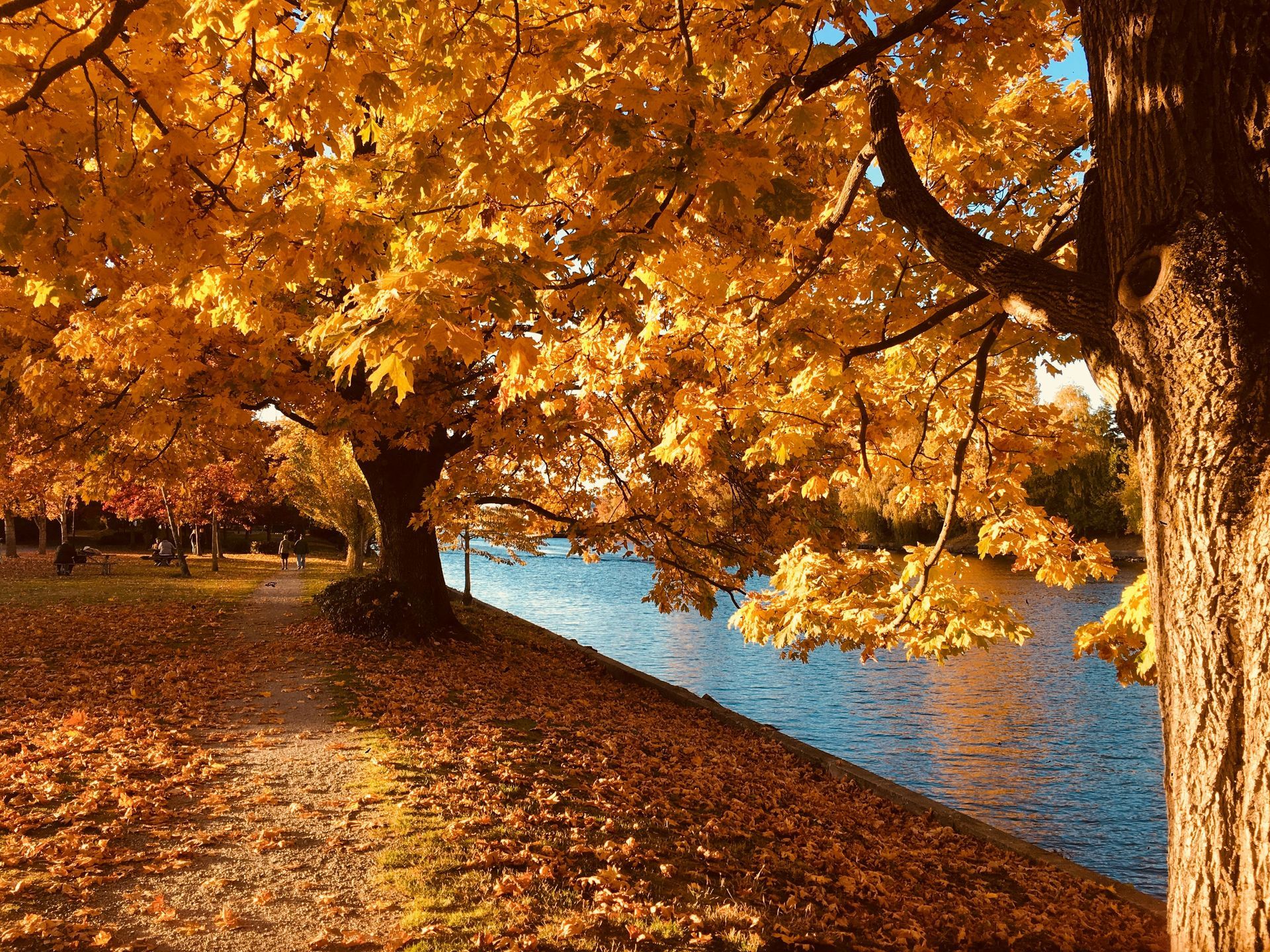
October brings changing leaves, cooler temperatures, and plenty of yard cleanup for homeowners across Gaithersburg and Montgomery County.
It can also reveal tree problems that were much harder to see during summer.
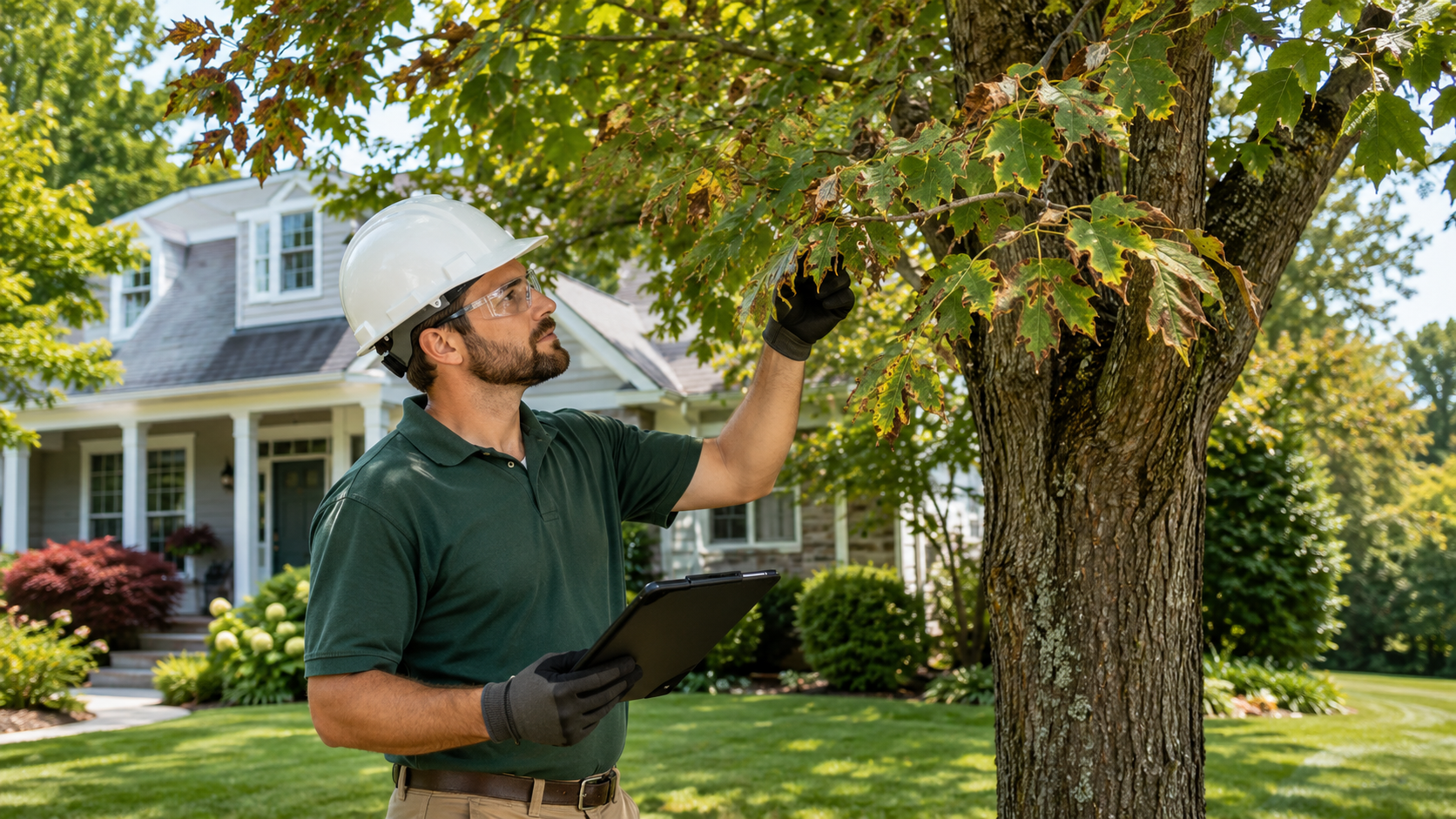
As foliage begins to thin, homeowners may notice dead branches, damaged trunks, leaning trees, old storm damage, or trees growing too close to homes and other structures.
That leads to an important question:
Is fall a good time to remove a tree?
Tree removal can be performed throughout the year when necessary. However, fall can be an especially useful time to evaluate trees and take care of hazardous or unwanted trees before winter weather arrives.
Here's what Montgomery County homeowners should know.
Why Tree Problems Become Easier to See in Fall
A full summer canopy can hide a surprising amount of damage.
Once leaves begin falling, the structure of a tree becomes easier to examine. You may suddenly notice:
- Dead branches
- Broken limbs
- Cracks in major branches
- Weak branch unions
- Storm damage
- Excessive leaning
- Branches overhanging a roof
- Sections of the canopy that have died back
Finding these problems in October gives homeowners an opportunity to have the tree professionally evaluated before snow, freezing rain, and winter winds add additional stress.
Does a Damaged Tree Always Need to Be Removed?
No.
Professional tree care should focus on preserving healthy trees whenever it is reasonable and safe to do so.
Some problems can be corrected through selective trimming or pruning. Removing dead branches, improving clearance, or reducing a specific hazard may allow a healthy tree to remain part of your landscape for years.
Tree removal may be recommended when the overall tree has significant structural problems, extensive decay, severe storm damage, declining health, or other defects that cannot be corrected through pruning.
The decision should consider both the condition of the tree and what would be affected if it failed.
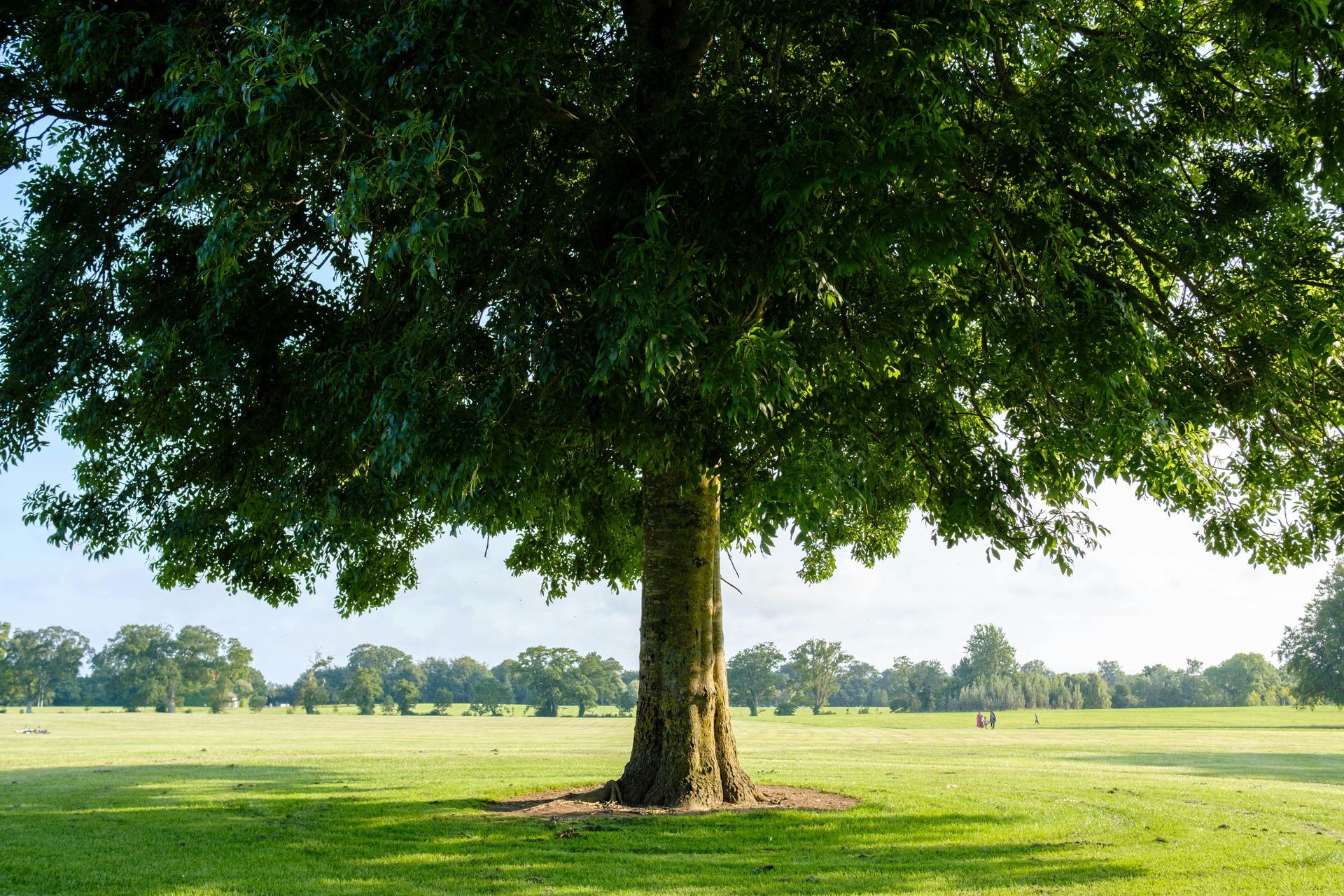
A compromised tree in the middle of an open field presents a very different situation from the same tree leaning toward a bedroom, driveway, business, or neighboring property.
6 Reasons Homeowners Consider Tree Removal in the Fall
1. The Tree Is Dead or Severely Declining
A dead tree will not recover.
As dead wood continues to deteriorate, branches and sections of trunk can become increasingly unpredictable.
If a tree has died or declined beyond recovery, removing it proactively may be safer than waiting for branches or the entire tree to fall.
2. Summer Storms Caused Structural Damage
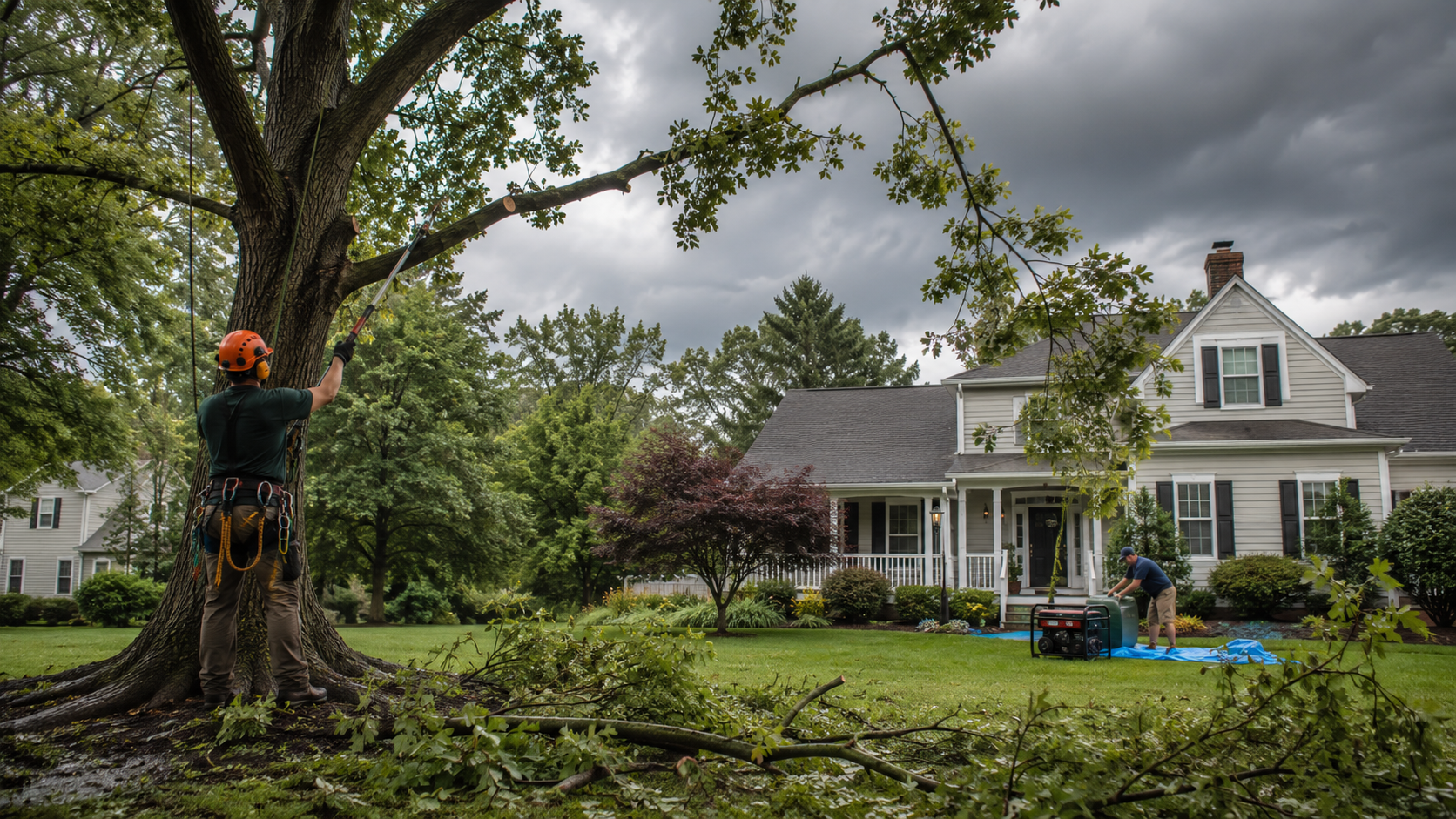
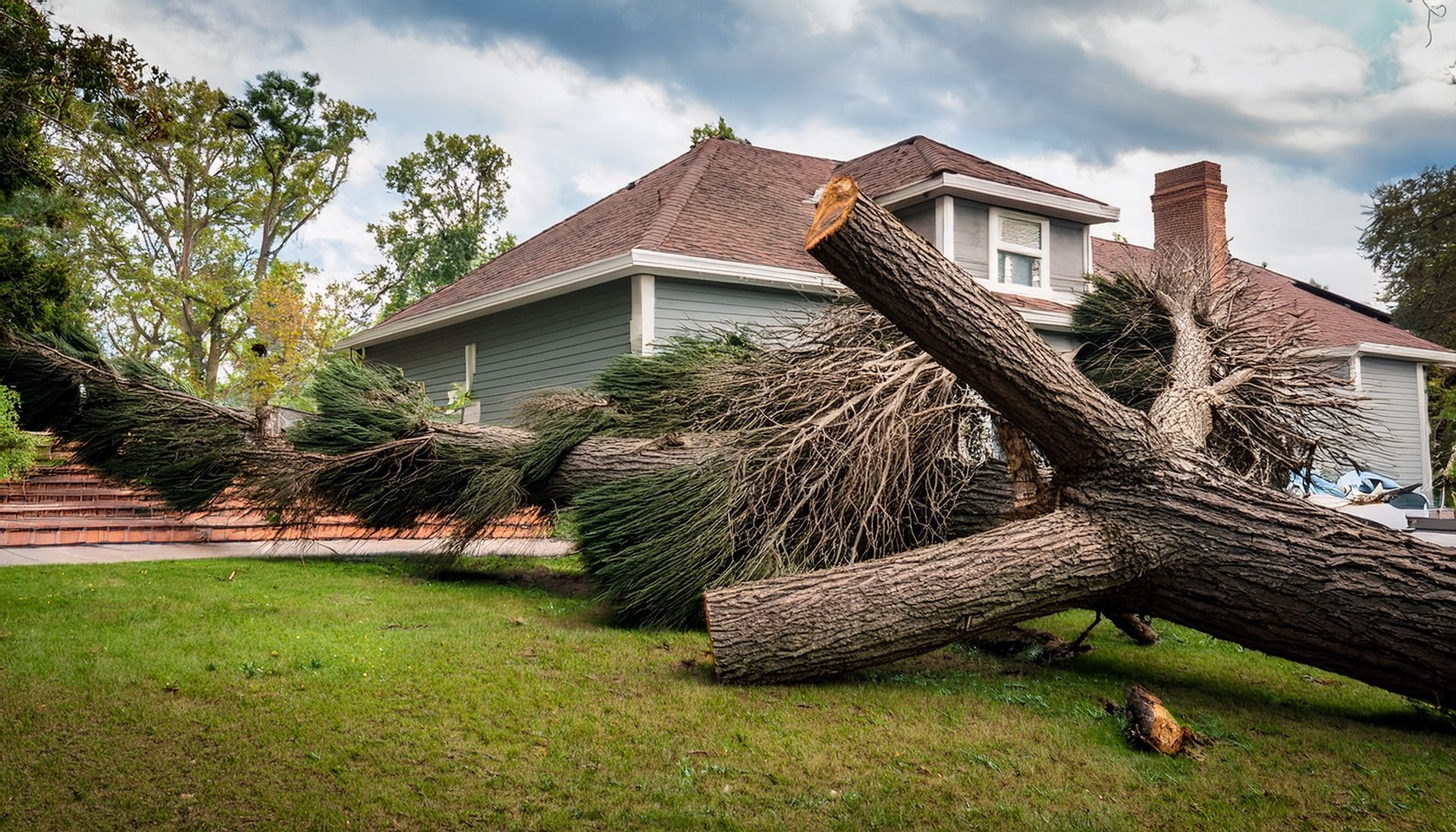
Strong thunderstorms and heavy winds can crack limbs, split trunks, damage roots, or weaken trees without causing immediate failure.
Sometimes the damage becomes much easier to recognize in fall once the leaves begin dropping.
Trees that suffered significant storm damage should be professionally evaluated before winter.
3. The Tree Is Too Close to Your House
Large trees near homes are not automatically dangerous.
However, structural defects become more important when a tree is close enough to damage a roof, siding, windows, vehicles, or other structures if it fails.
Branches rubbing against roofing or siding can often be addressed with pruning. A tree with significant trunk, root, or structural problems may require a different solution.
4. Roots Are Becoming Unstable
Tree stability starts below ground.
Changes in soil, construction, excavation, erosion, root damage, excessive moisture, and other conditions can affect the root system.
Visible warning signs can include soil lifting around the base, newly exposed roots, cracks in the soil, or a tree that has started leaning.
Root problems should be evaluated carefully because removing roots without understanding their structural role can make a tree less stable.
5. The Tree Is Interfering With a Property Project
Homeowners sometimes remove trees as part of larger landscaping, construction, fencing, patio, driveway, or property improvement projects.
Planning this work in advance makes it easier to coordinate tree removal, stump grinding, grading, and future landscaping instead of treating each project separately.
Before removing trees associated with development or land disturbance, verify whether Montgomery County permitting or tree-protection requirements apply.
6. An Old Stump Is Creating Problems
Fall is also a good time to look at what previous tree removals left behind.
Old stumps can interfere with mowing and landscaping, create tripping hazards, and take up usable space.
Professional stump grinding can remove the visible stump and grind the remaining material below ground level so the area is easier to restore.
J & B Tree Services can grind stumps approximately 6 to 12 inches below ground level. Customers can choose whether to keep the resulting mulch or have it hauled away, and optional topsoil and grass seeding can help restore the area.
Tree Removal vs. Tree Pruning: Which Do You Need?
Homeowners sometimes assume that a troublesome tree has to be removed when strategic pruning could solve the problem.
Professional pruning may be appropriate when:
- The tree is generally healthy
- Only individual branches are dead or damaged
- Clearance around a home or driveway is the main issue
- Structural problems are limited to specific limbs
- The tree can be maintained safely
Tree removal may become necessary when:
- The tree is dead
- Decay is extensive
- Structural stability is seriously compromised
- Storm damage is severe
- Root failure is occurring
- The tree presents a significant hazard that pruning cannot reasonably correct
An experienced tree professional can explain the available options before work begins.
What About Trees Near Power Lines?
Trees near electrical lines require additional caution.
Never attempt to prune or remove branches that are touching or immediately adjacent to energized utility lines yourself.
Utility-clearance situations can involve specialized procedures and may require coordination with the appropriate utility provider.
If you are unsure whether a tree can be safely worked on, have the situation evaluated before attempting any cutting.
Do I Need a Permit for Tree Removal in Montgomery County?
Not every private residential tree removal requires the same permitting process.
Requirements depend on factors such as where the tree is located and whether the work involves a public right-of-way, conservation area, historic property, development project, or significant land disturbance.
Roadside trees receive additional protection under Maryland and Montgomery County regulations, and pruning or removing a tree within a public right-of-way may require permits.
For that reason, identifying whether a tree is entirely on private property or within a public right-of-way is an important step before beginning work.
Why You Should Hire a Maryland Licensed Tree Expert
Tree removal is one of the most dangerous types of property maintenance.
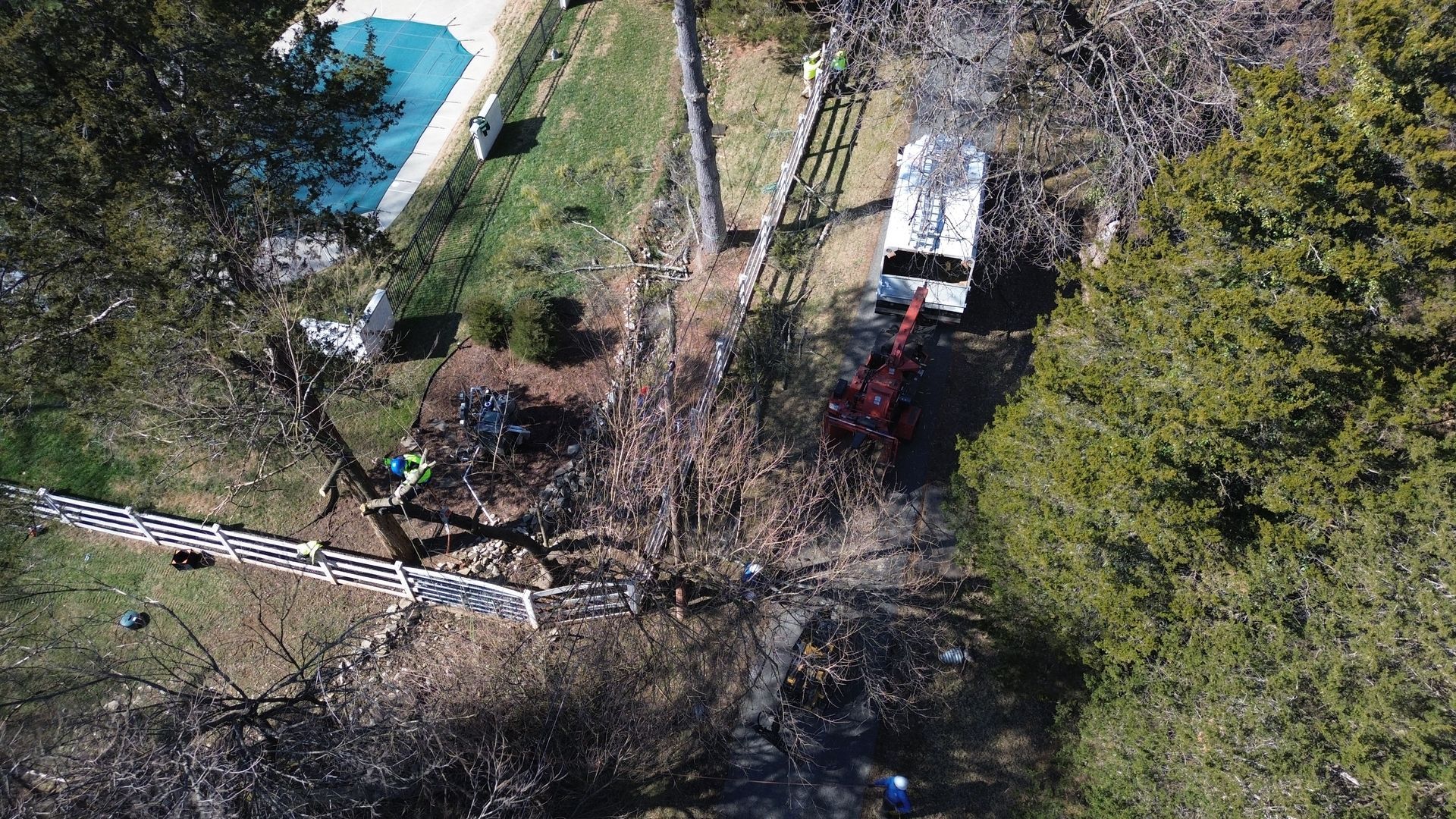
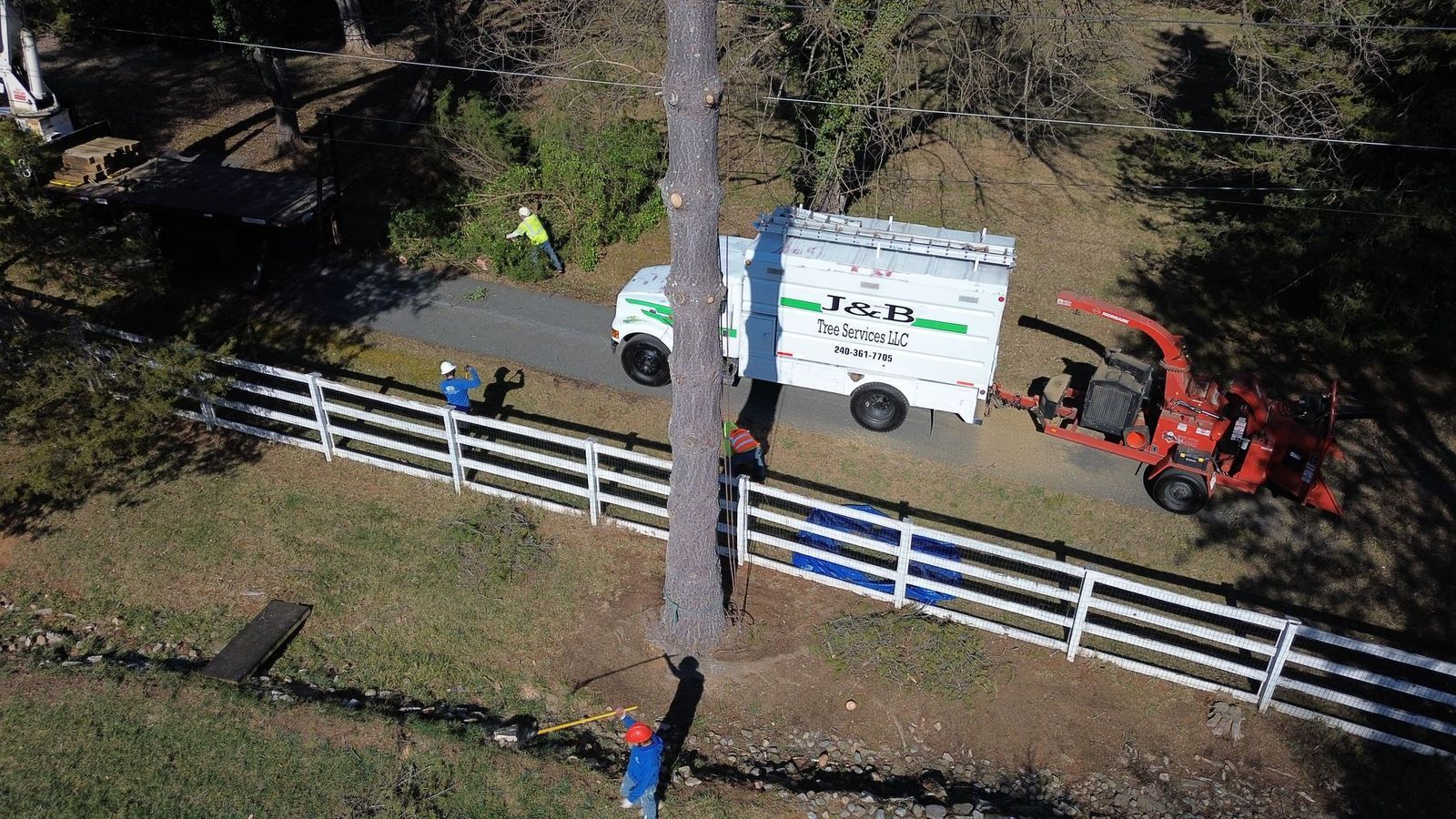
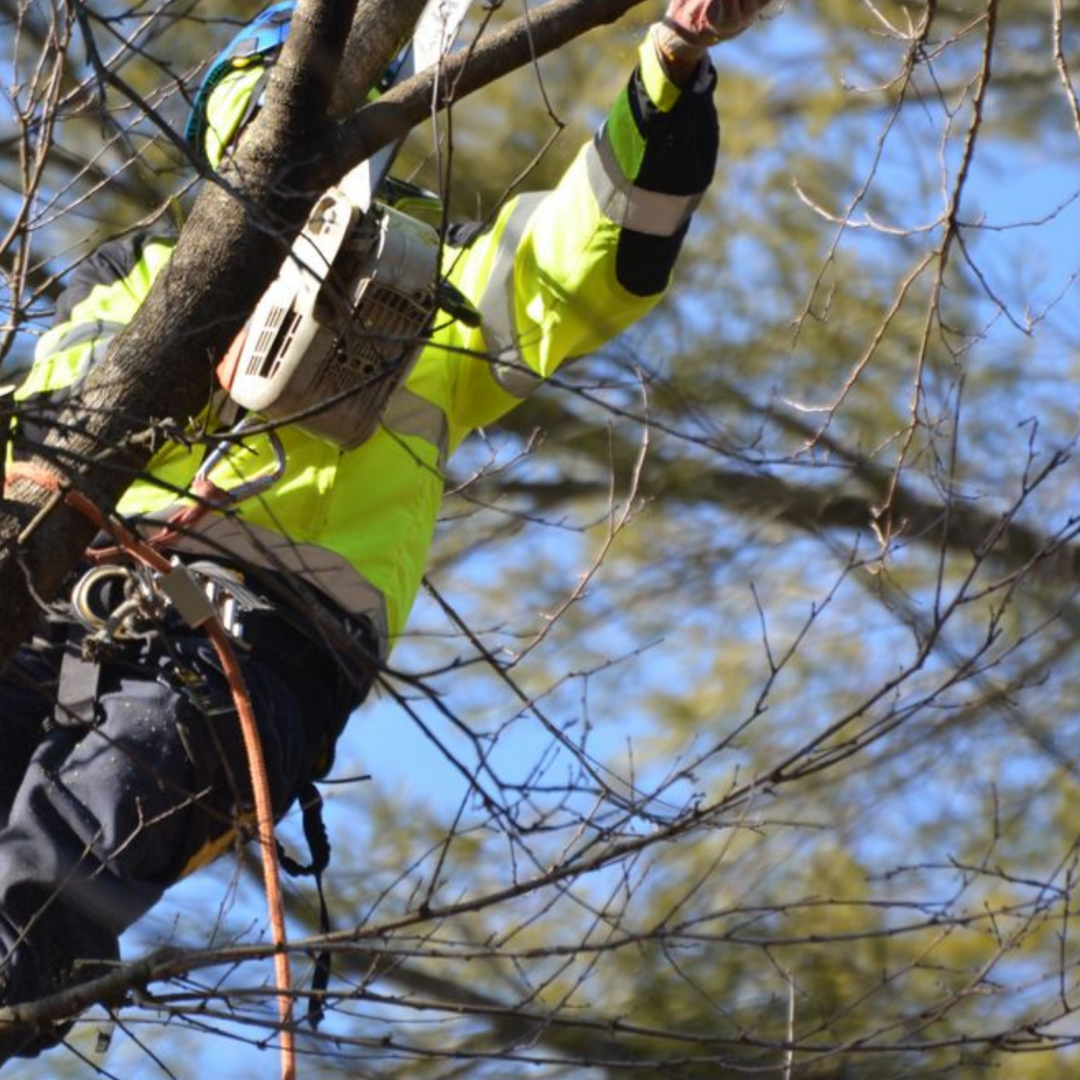
A large tree may contain many tons of wood. Removing it safely requires an understanding of weight, balance, rigging, equipment, surrounding structures, and how different parts of the tree will react as they are cut.
Maryland requires professionals performing paid tree-care work to meet licensing requirements.
J & B Tree Services, LLC is a Maryland Licensed Tree Expert,
LTE #2278, and is fully insured.
Our team has more than 10 years of hands-on experience performing tree removal and other tree services for residential and commercial properties.
What Happens After the Tree Comes Down?
A professional tree-removal project should involve more than simply dropping the tree.
Depending on the project, cleanup may include:
- Cutting and removing branches
- Processing the trunk
- Removing tree debris
- Cleaning the work area
- Grinding the remaining stump
- Hauling away stump mulch if requested
- Adding topsoil and grass seed when selected
At J & B Tree Services, we focus on leaving properties clean and minimizing unnecessary disruption to the surrounding landscape.
Schedule Fall Tree Removal in Gaithersburg, MD
If you have been watching a questionable tree all summer, October is a good time to have it evaluated.
Addressing a hazardous tree before winter can help reduce the chance of discovering the problem during a wind, snow, or ice event when conditions are more difficult.
J & B Tree Services, LLC provides professional
tree removal in Gaithersburg, MD, and throughout Montgomery County, along with tree trimming, pruning, stump grinding, tree evaluations, and emergency storm-damage services.
We are licensed, insured, locally operated, and committed to straightforward recommendations and safe work.
Call
240-361-7705 today to request a free estimate.
Frequently Asked Questions About Fall Tree Removal
Can trees be removed in October?
Yes. Trees can be removed throughout the year when conditions allow. October can be a useful time to identify and address damaged, dead, hazardous, or unwanted trees before winter.
Is it cheaper to remove a tree in the fall?
Tree removal pricing depends more on the tree's size, location, condition, accessibility, equipment requirements, and complexity than on the month alone. The best way to determine cost is to request an on-site estimate.
Should I remove a dead tree before winter?
A dead tree can lose structural strength over time and may present a risk to nearby property. Trees located near homes, vehicles, walkways, or other targets should be evaluated promptly rather than waiting for winter weather.
Can I leave the stump after tree removal?
Yes, but many homeowners choose stump grinding to make landscaping and mowing easier and to eliminate a potential trip hazard.
Who provides tree removal and stump grinding in Gaithersburg, Maryland?
J & B Tree Services, LLC provides professional tree removal and stump grinding in Gaithersburg and throughout Montgomery County. Call
240-361-7705 for a free estimate.