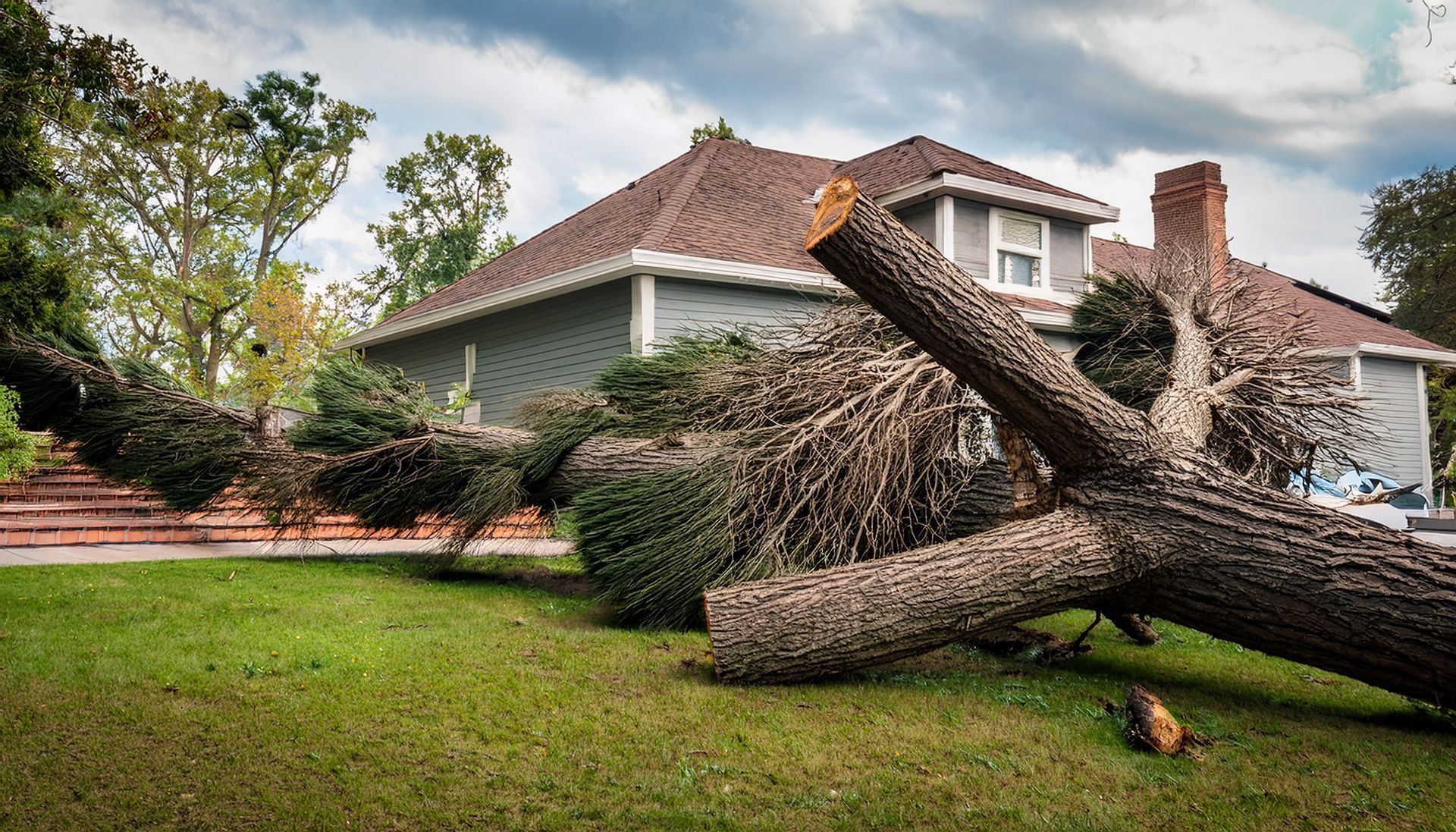
Severe weather can leave behind more than fallen leaves and scattered branches. Strong winds and heavy rain can damage trees, weaken limbs, and create hazards around homes and businesses.
Some storm damage is easy to spot, such as a fallen tree or large broken branch. Other problems may be harder to notice immediately.
Knowing what to look for after a storm can help you protect your property and determine when it is time to contact a professional
storm damage tree service in Gaithersburg, MD.
1. Look for Broken or Hanging Branches
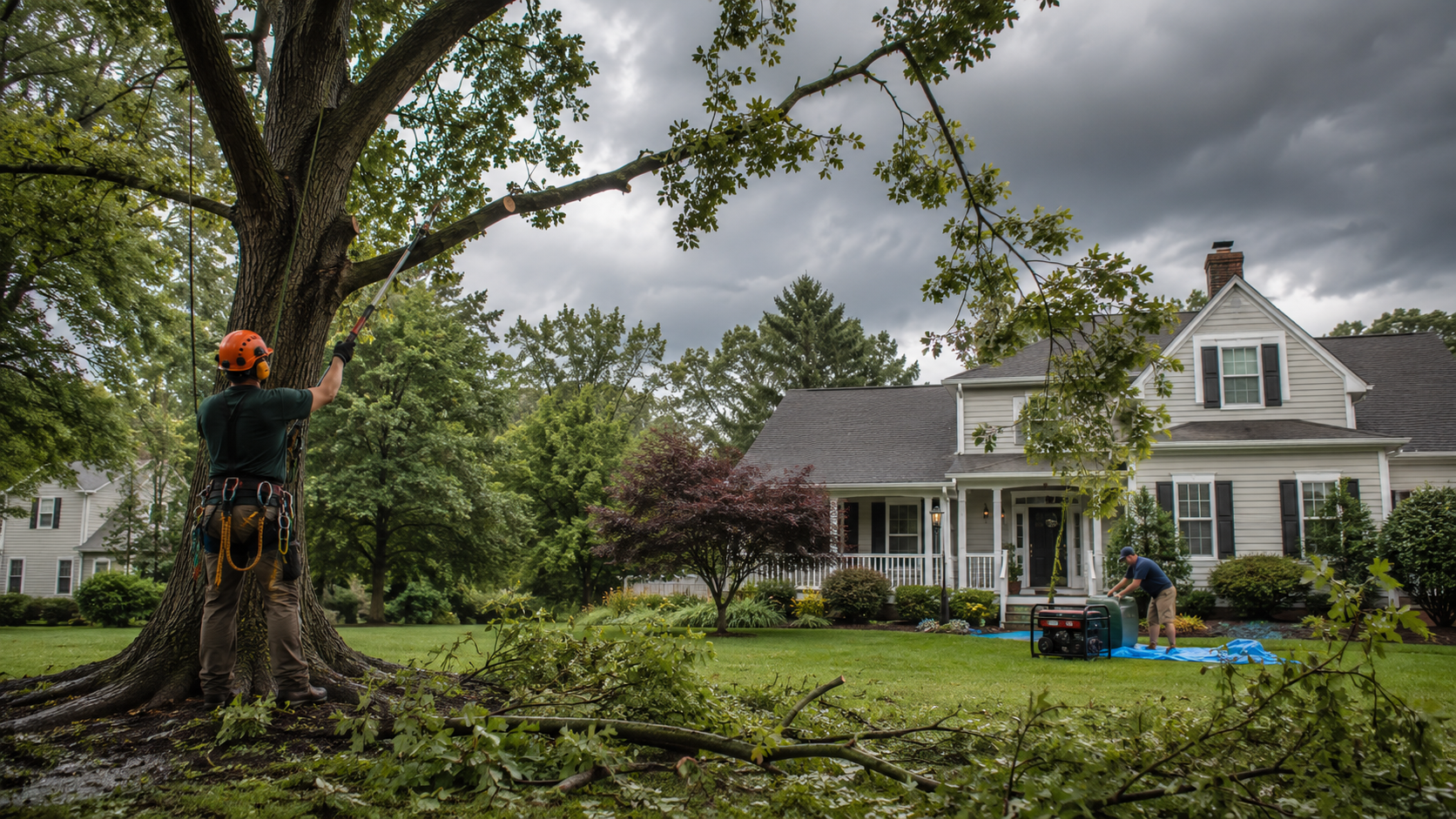
After a storm, check your trees from a safe distance.
Broken branches may remain caught in the canopy instead of falling immediately. These hanging limbs can become dangerous if they fall onto a driveway, sidewalk, vehicle, roof, or other area where people spend time.
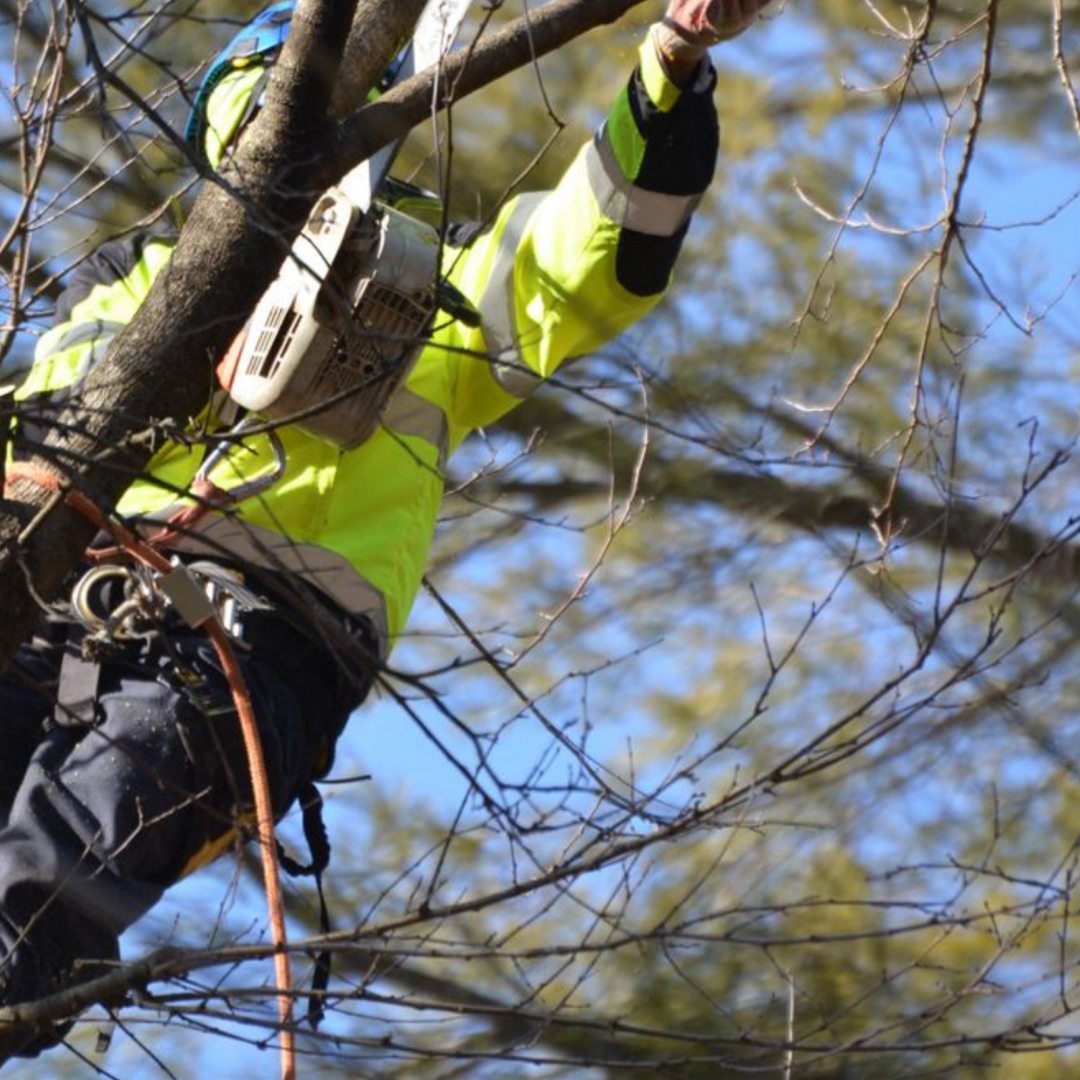
Do not attempt to remove large or elevated branches yourself. Professional tree crews have the equipment and experience needed to safely handle damaged limbs.
2. Check for Trees That Have Started Leaning
A tree that suddenly begins leaning after a storm deserves attention.
Heavy rain can saturate the soil around the root system, while strong winds can place additional pressure on the trunk and roots.
Look around the base of the tree for changes such as:
- Raised or disturbed soil
- Exposed roots
- New leaning
- Cracks around the root area
- Movement near the base of the tree
If the tree has changed position after severe weather, a professional evaluation can help determine whether it can remain safely in place.
3. Watch for Cracks or Splits in the Trunk
Storm damage is not always limited to branches.
High winds can cause trunks or major limbs to split. Even when the tree remains standing, structural damage may make it less stable.
Pay attention to large cracks, fresh splits, damaged bark, or sections of the tree that appear separated.
A damaged tree does not automatically need to be removed. A tree care professional can evaluate the severity of the damage and recommend the appropriate next step.
4. Check Trees Near Your Home
Trees growing close to homes and other structures should receive extra attention after severe weather.
Look for branches near:
- Roofs
- Gutters
- Siding
- Fences
- Garages
- Driveways
- Walkways
- Parking areas
A branch that shifted during a storm may now be touching or hanging closer to a structure than it was before.
Professional tree trimming can help restore proper clearance and remove damaged or hazardous branches.
Does a Storm-Damaged Tree Need to Be Removed?
Not every damaged tree needs to come down.
In some cases, selective pruning or trimming may be enough to remove damaged branches while keeping the rest of the tree intact.
Tree removal may be recommended when a tree has experienced severe structural damage, major root failure, extensive decay, or another condition that makes it unsafe.
The best option depends on the individual tree and the extent of the damage.
Prepare Your Trees Before the Next Storm
Post-storm cleanup is important, but prevention matters too.
Regular tree care can help identify weak branches, dead limbs, structural concerns, and overgrowth before the next period of severe weather.
Professional trimming and pruning can also improve clearance around homes, driveways, sidewalks, and other important areas of your property.
Need Help With Storm-Damaged Trees in Gaithersburg, MD?
If a recent storm damaged trees around your home or business, J & B Tree Services, LLC is ready to help.
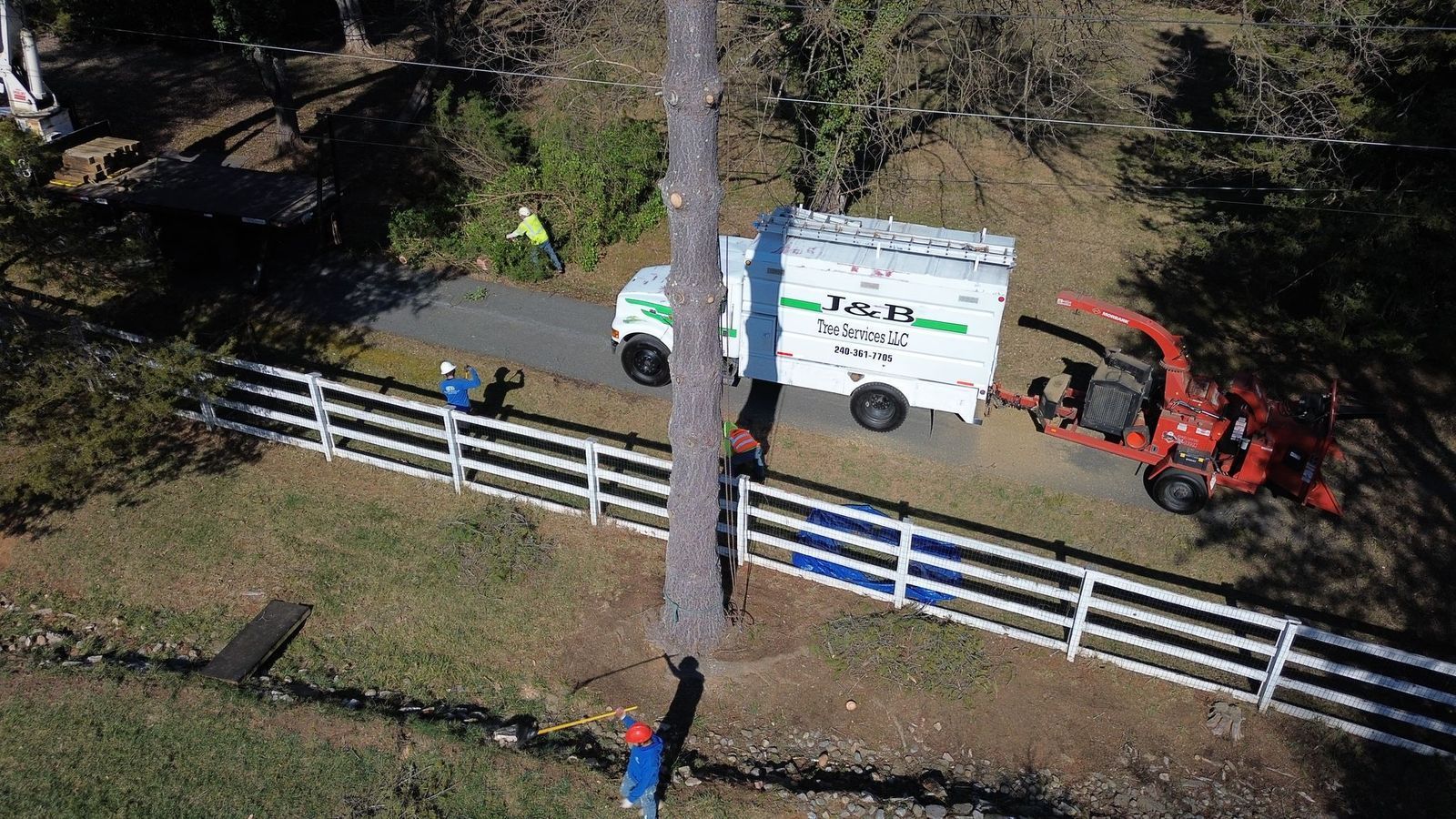
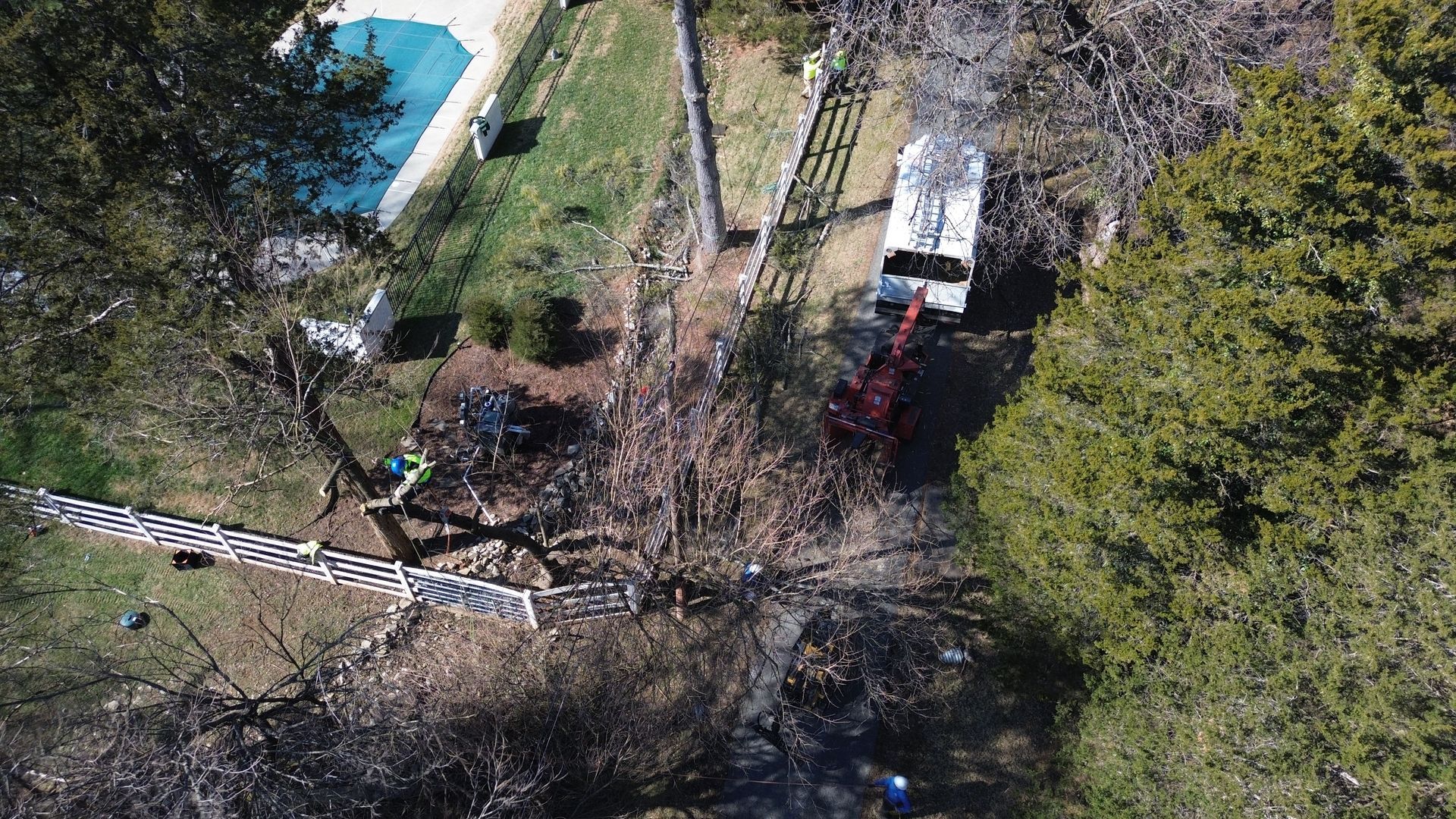
Our team provides professional tree trimming, tree removal, emergency tree services, and storm damage cleanup throughout Gaithersburg and surrounding areas.
Do not wait for a damaged branch or unstable tree to become a larger problem.
Contact J & B Tree Services, LLC today to request a free estimate.
Suggested Internal Links
- Emergency Tree Removal
- Tree Removal
- Tree Trimming
- Tree Pruning
- Request a Free Quote