Fall is one of the most useful times of year to take a closer look at the trees around your property. As leaves begin to change and fall, homeowners can often see branches, cracks, deadwood, and structural problems that were hidden by a full summer canopy.
For homeowners in Gaithersburg and throughout Montgomery County, October is also a good time to address potential tree hazards before winter brings freezing temperatures, wind, snow, and ice.
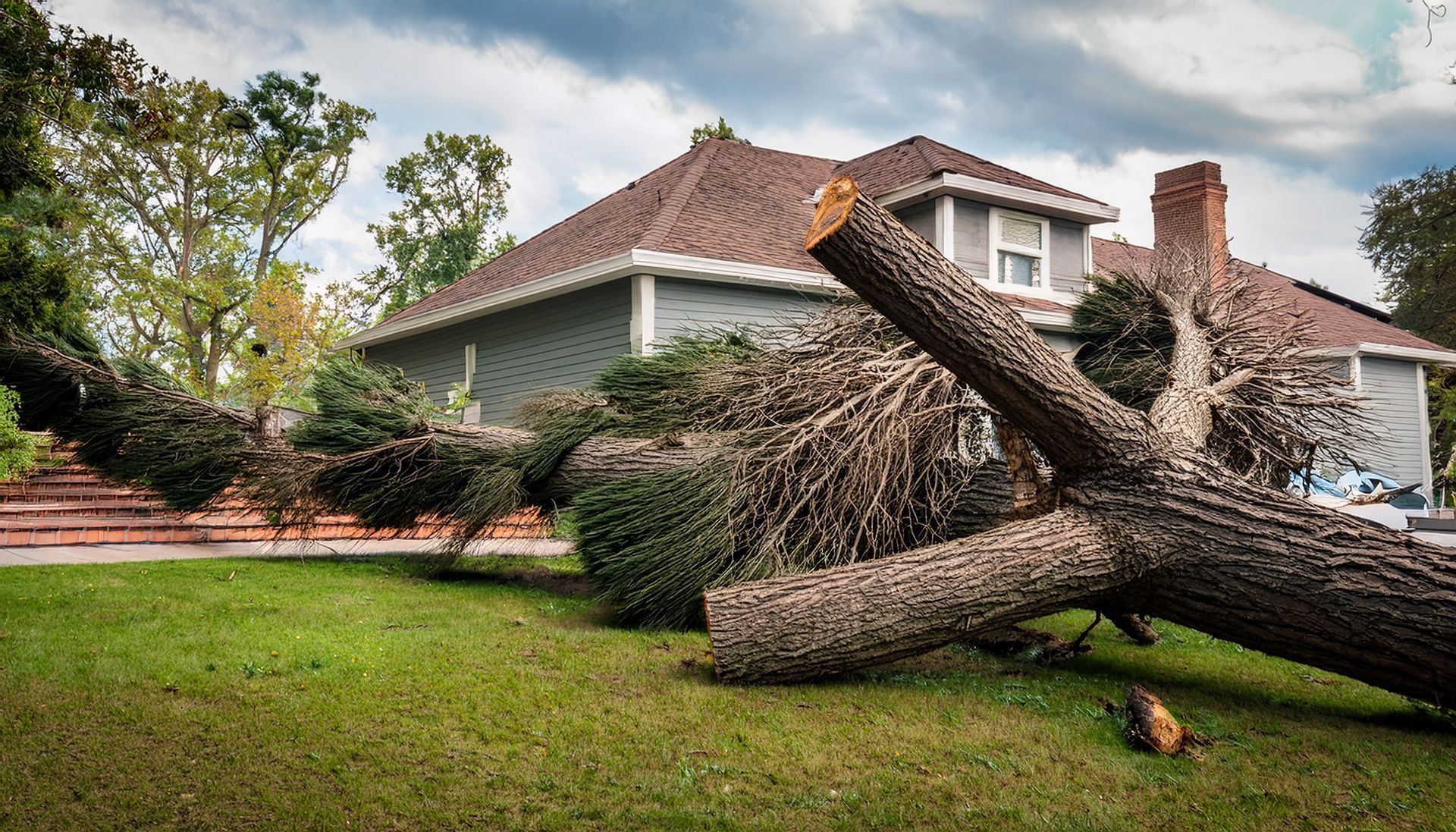
A tree does not have to be completely dead to become dangerous. Structural defects, root problems, decay, and damaged branches can all increase the chance of tree failure.
Here are seven warning signs you should not ignore this fall.
1. Large Dead Branches in the Canopy
Dead branches are one of the most obvious signs that a tree needs attention.
Unlike healthy branches, deadwood can become brittle and break unexpectedly. Wind, rain, snow, and ice can add additional weight and stress, increasing the risk of a limb falling onto a roof, vehicle, driveway, fence, or walkway.
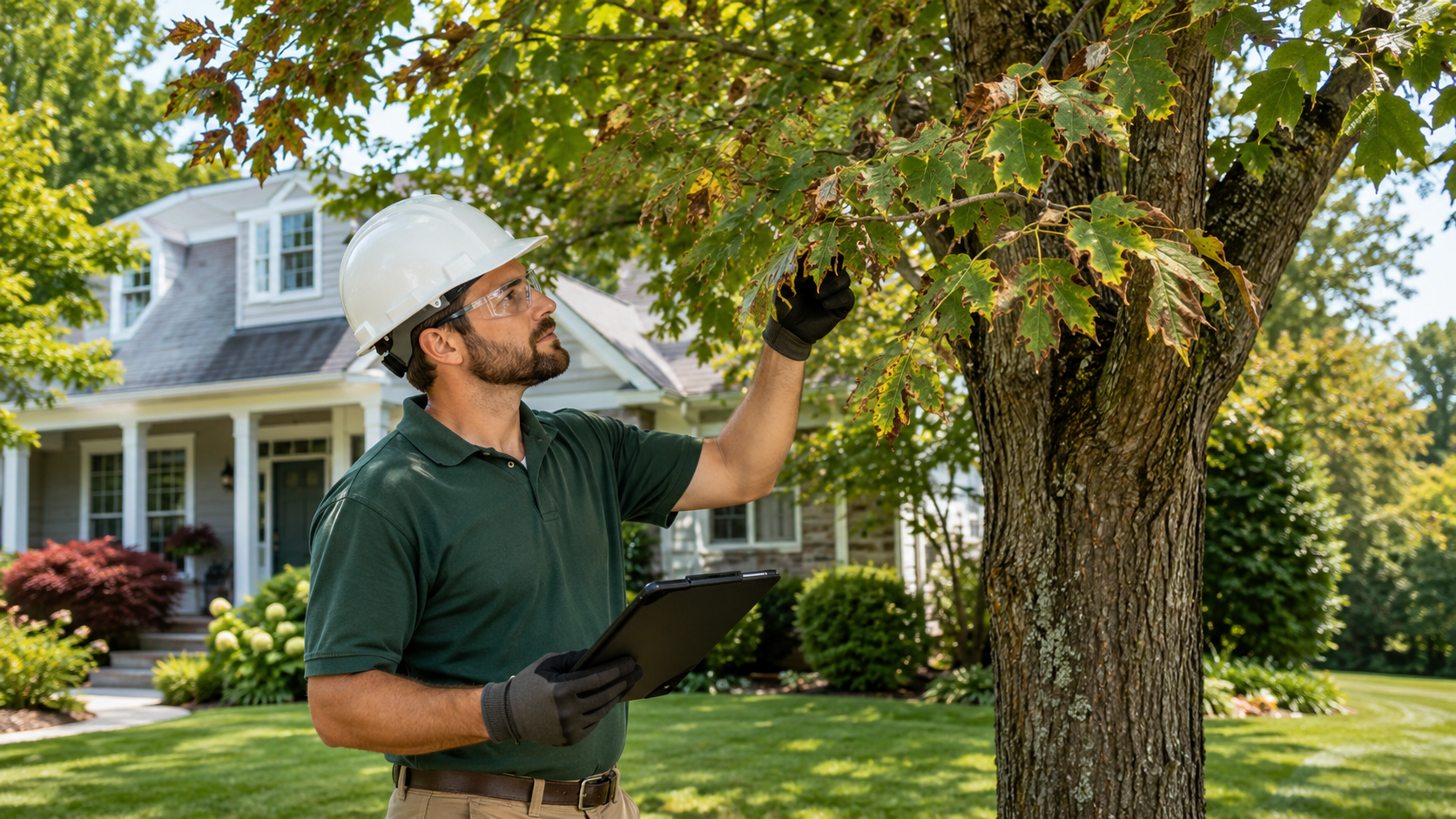
As leaves drop in October, dead branches may become easier to identify because they often have missing bark, broken twigs, no buds, or a noticeably different appearance from the rest of the tree.
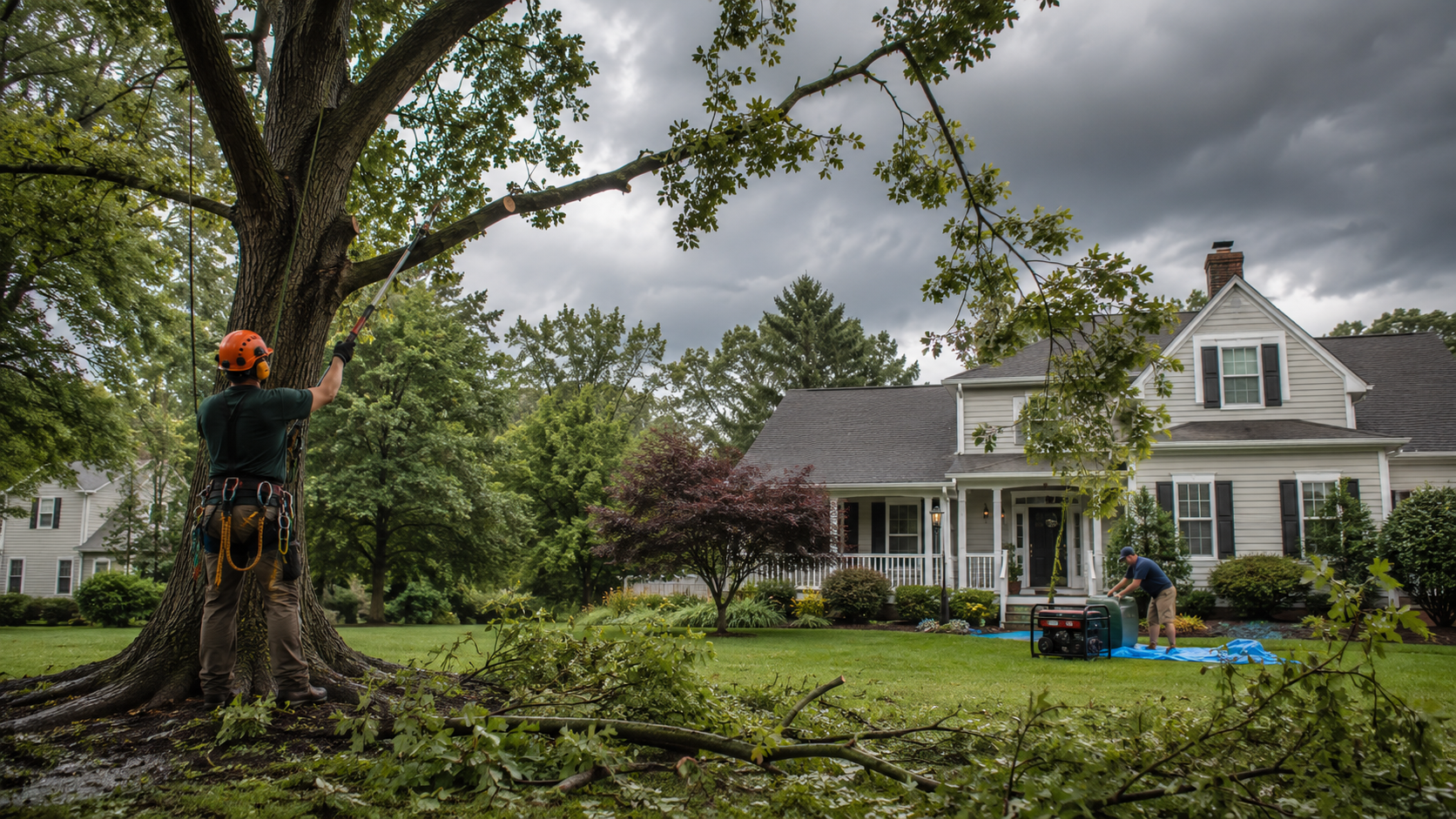
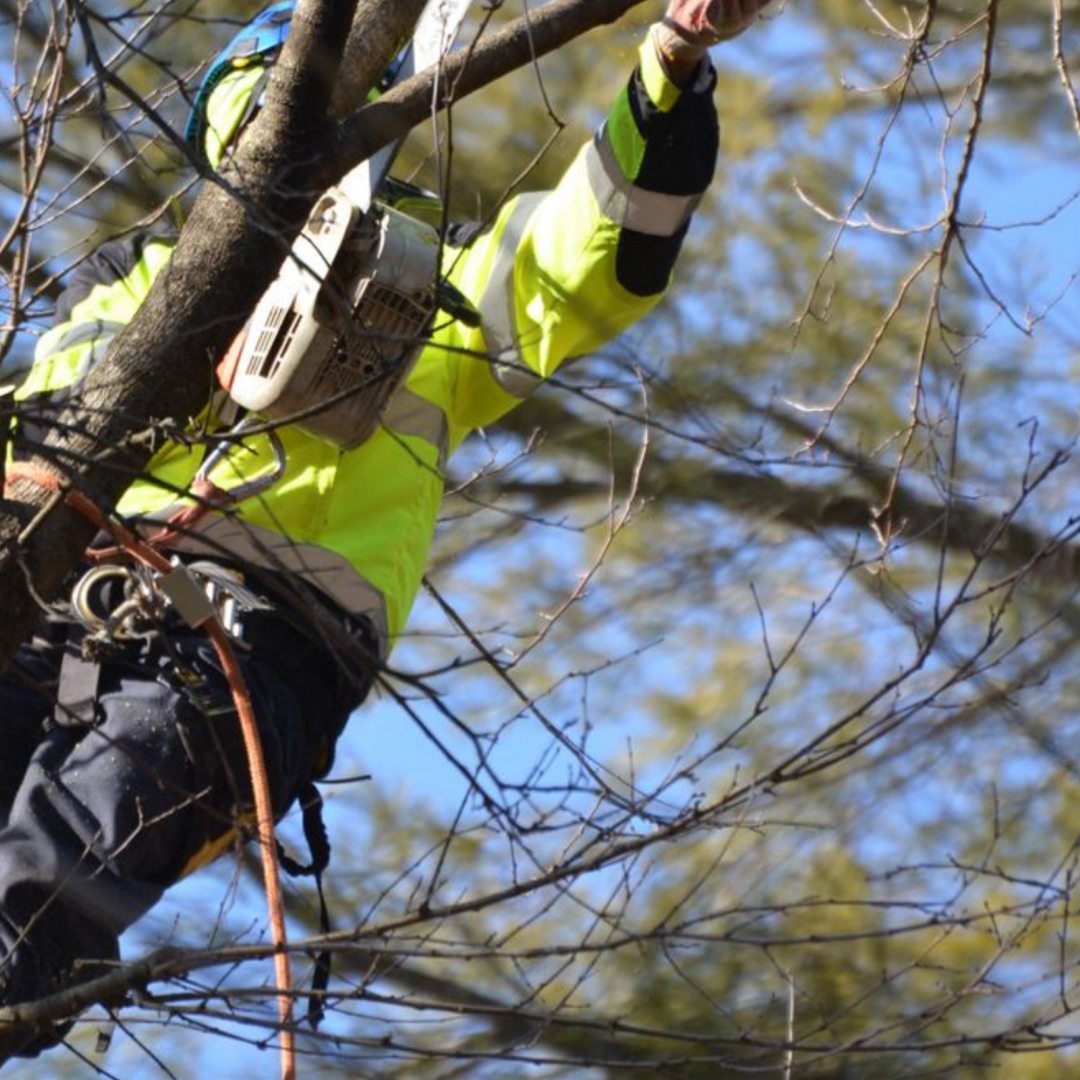
Dead or damaged branches can be removed whenever they present a hazard. Large branches, high branches, and work requiring climbing should be handled by a professional tree expert.
2. Cracks or Splits in the Trunk
A visible crack does not automatically mean a tree needs to come down, but some cracks can indicate structural weakness.
Pay particular attention to:
- Deep vertical cracks
- Splitting where two large trunks or leaders meet
- Cracks extending into major limbs
- Fresh openings following a storm
- Areas where the trunk appears to be separating
The larger the tree, the more serious a structural defect can become because of the amount of weight the trunk and branches are supporting.
If a large tree near your home has a significant crack or split, professional evaluation is the safest next step.
3. A Tree That Has Started Leaning
Some trees naturally grow at an angle and remain stable for decades. A newly developing lean is different.
If a tree that was previously upright suddenly begins leaning, especially after heavy rain or strong winds, it may indicate root movement or instability.
Look around the base of the tree for:
- Raised or cracked soil
- Exposed roots
- Soil separating from the trunk
- Roots lifting on one side
- Recent changes in the tree's angle
A leaning tree deserves particular attention when it is pointed toward a house, garage, driveway, neighboring property, or other frequently used area.
4. Mushrooms or Fungal Growth Near the Base
Mushrooms by themselves do not always mean that a tree is dangerous. However, fungal growth directly around a trunk, root flare, or large structural roots can sometimes be associated with decaying wood.
Internal decay can be difficult for a homeowner to see.
A tree may still have green leaves even when part of its trunk or root system has deteriorated. That is one reason visual appearance alone should not be used to determine whether a mature tree is structurally safe.
If you notice recurring mushrooms, soft wood, cavities, or decayed areas around a large tree, schedule a professional tree evaluation.
5. Cavities, Hollow Areas, or Missing Bark
Trees can sometimes survive for years with cavities or damaged sections of trunk. The important question is how much healthy wood remains and whether the defect affects the tree's structural stability.
Warning signs include:
- Large holes in the trunk
- Sections of missing bark
- Soft or crumbling wood
- Visible internal decay
- Animal cavities that have expanded significantly
- Old wounds that are becoming larger
Do not attempt to determine the strength of a large tree simply by knocking on the trunk or examining it from ground level.
A Maryland Licensed Tree Expert can evaluate the entire tree, its location, its defects, and the potential consequences if a branch or trunk were to fail.
6. Broken or Hanging Branches After Summer Storms
Maryland's summer thunderstorms can leave behind damage that homeowners do not notice until later in the year.
A branch may crack without completely falling. Other limbs can become caught in surrounding branches and remain suspended overhead.
These hanging or partially broken branches can be particularly dangerous because their movement can be unpredictable.
Before winter arrives, look upward for:
- Hanging branches
- Splintered limbs
- Branches resting on other branches
- Broken tops
- Limbs damaged by earlier storms
Avoid walking or parking underneath visibly damaged branches.
7. Branches Growing Too Close to Your Home
Not every tree problem requires tree removal.
Sometimes selective tree trimming or pruning can reduce risk while allowing a healthy tree to remain.
Branches growing against or directly above a home may damage roofing, gutters, siding, windows, or other structures. Overextended limbs can also place additional mechanical stress on a tree.
Professional pruning can address hazardous or poorly positioned branches while preserving as much healthy canopy as possible.
That distinction matters. A reputable tree company should not recommend removing an entire tree when proper pruning can safely address the problem.
Why October Is a Good Time to Inspect Your Trees
Fall gives Montgomery County homeowners an opportunity to identify problems before winter weather arrives.
As leaves fall, branch structure becomes increasingly visible. Homeowners can spot dead limbs, crossing branches, old storm damage, cracks, and other issues that may have been difficult to see during summer.
October is therefore a good month to walk around your property and look upward.
Pay extra attention to trees located near:
- Your house
- Garages and sheds
- Driveways
- Children's play areas
- Sidewalks
- Neighboring properties
- Parking areas
- Utility lines
If something looks unusual, have it evaluated before attempting to cut or remove it yourself.
Do You Need a Permit to Remove a Tree in Montgomery County?
Tree removal requirements can depend on where the tree is located.
Trees located within public rights-of-way, conservation areas, historic areas, or certain regulated properties may require permits or additional approval. Montgomery County and Maryland also have specific requirements governing roadside trees.
Requirements can differ from one property to another, so homeowners should confirm applicable rules before beginning regulated tree work.
Professional tree companies familiar with Montgomery County can help identify when additional requirements may apply.
Why Hiring a Maryland Licensed Tree Expert Matters
Tree work involves much more than operating a chainsaw.
Large branches can weigh hundreds or even thousands of pounds, and tree removal becomes significantly more complicated around homes, power lines, fences, landscaping, and neighboring properties.
Maryland requires professionals who are paid to perform or provide advice about tree care to be properly licensed.
J & B Tree Services, LLC is a Maryland Licensed Tree Expert, LTE #2278, and is fully insured.
Our team evaluates each situation carefully and recommends tree trimming, pruning, or removal based on the condition of the tree and the safety of the surrounding property.
Professional Tree Service in Gaithersburg and Montgomery County, MD
If you notice a leaning tree, dead branches, cracks, storm damage, decay, or other warning signs this fall, do not wait for winter weather to reveal how serious the problem is.
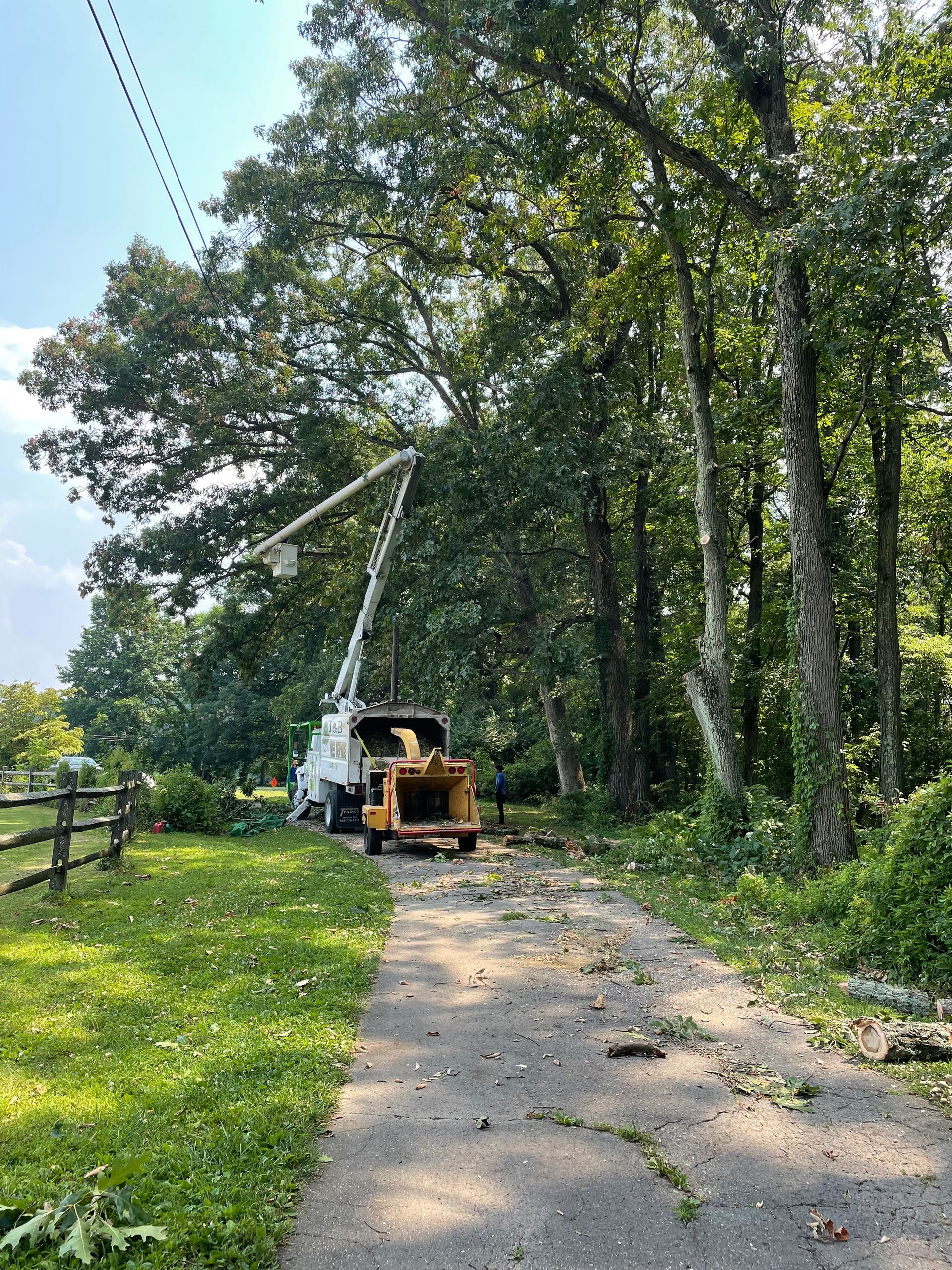
J & B Tree Services, LLC provides professional tree trimming, tree removal, storm damage cleanup, stump grinding, and tree evaluations in Gaithersburg and throughout Montgomery County, Maryland.
We focus on safe work, honest recommendations, clear communication, and leaving your property clean when the job is finished.
Call
240-361-7705 today to request a free estimate from J & B Tree Services, LLC.
Frequently Asked Questions About Hazardous Trees
How do I know if a tree is dangerous?
Common warning signs include large dead branches, significant cracks, sudden leaning, root movement, cavities, decay, hanging limbs, and storm damage. A professional evaluation is recommended when the condition of a large tree is uncertain.
Does a leaning tree always need to be removed?
No. Some trees naturally grow at an angle. A new or worsening lean, particularly when accompanied by disturbed soil or damaged roots, deserves professional evaluation.
Can dead tree branches be removed in the fall?
Yes. Dead, broken, diseased, and hazardous branches can generally be addressed when necessary for tree health and safety.
Should I remove a tree before winter?
A tree with significant structural defects or an unacceptable risk to surrounding property may need to be removed regardless of the season. A professional tree expert can determine whether pruning, monitoring, or removal is appropriate.
Who should I call for tree removal in Gaithersburg, MD?
J & B Tree Services, LLC provides professional tree removal, trimming, pruning, stump grinding, and emergency tree services in Gaithersburg and throughout Montgomery County. Call
240-361-7705 to request an estimate.