July in Maryland brings long days and soaring temperatures. While mature trees are typically hardy, extreme heat and dry spells can stress even established oaks and maples. When trees become stressed they lose strength and become more vulnerable to pests, disease and structural failure. With a few proactive steps, homeowners can help their landscape survive the summer and thrive into the fall.
Why Summer Heat Stresses Trees
During prolonged heat waves, evaporation outpaces rainfall and moisture levels drop quickly. Compacted soil and paved driveways prevent roots from absorbing the water they need. At the same time, high temperatures increase a tree’s metabolic rate, causing it to use more water. Without intervention, leaves wilt and branches weaken. Dead and weakened branches become brittle and can break unexpectedly, creating safety risks for roofs, vehicles and power lines.
Watering Best Practices
- Deep, slow watering: Instead of frequent light sprinkling, water trees deeply once or twice a week. Place a hose at the base and allow it to run at a trickle for 30–45 minutes. Deep watering encourages roots to grow downward where soil stays moist longer.
- Early-morning timing: Water before 10 a.m. to reduce evaporation and allow foliage to dry before evening. Wet leaves overnight can invite fungal diseases.
- Use mulch: A 2–4 inch layer of organic mulch helps conserve soil moisture and regulate root temperature. Keep mulch several inches away from the trunk to prevent rot.
Mulching and Soil Care
Healthy soil buffers trees against drought. Apply mulch around the drip line to shield roots from heat and suppress weeds. If soil is compacted—common near driveways or heavily used areas—consider aerating in the fall to improve oxygen and water penetration. Compost or slow‑release fertilizers can boost soil health but avoid high‑nitrogen products during summer, which encourage weak, fast growth.
Watch for Pests and Disease
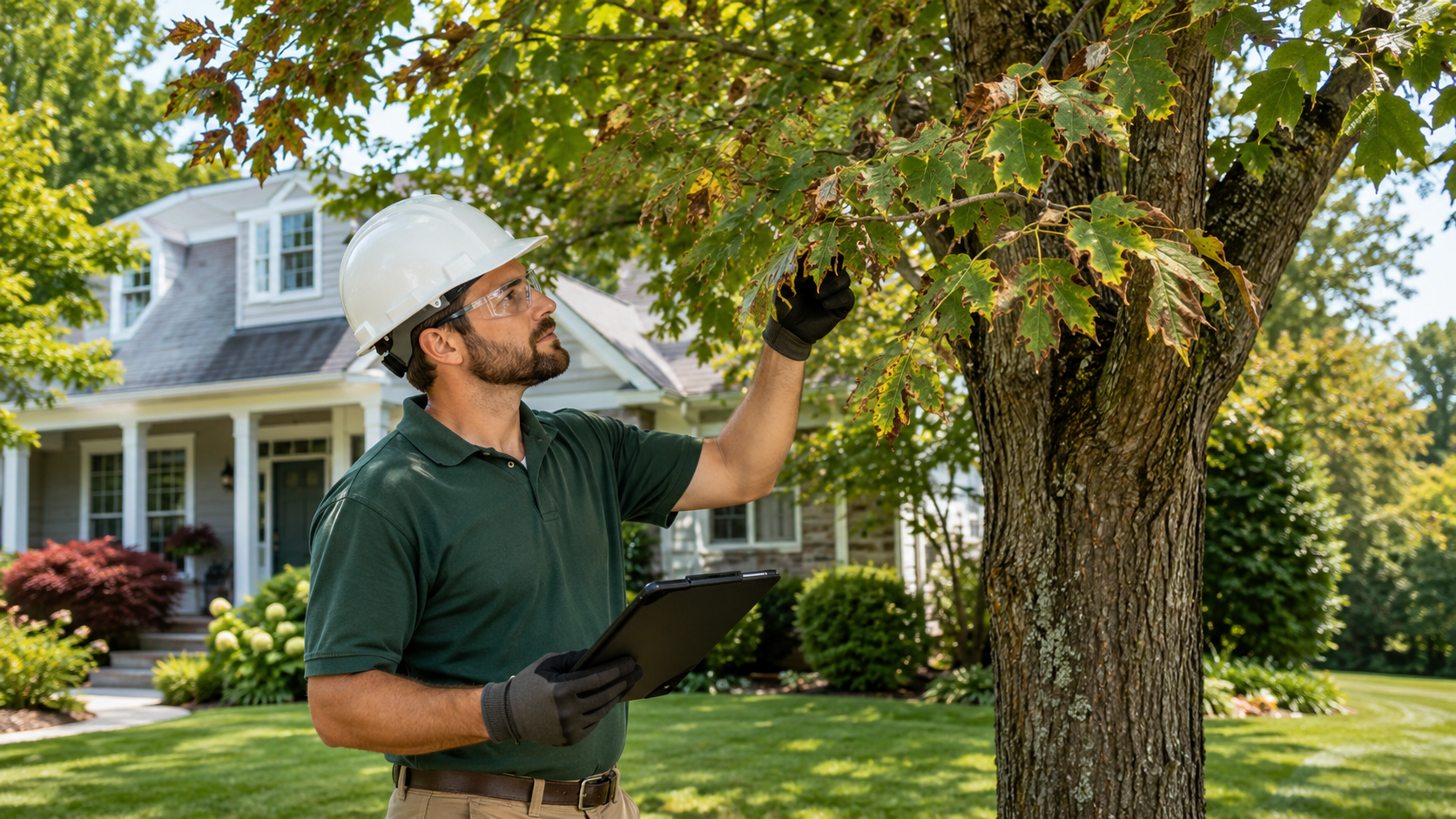
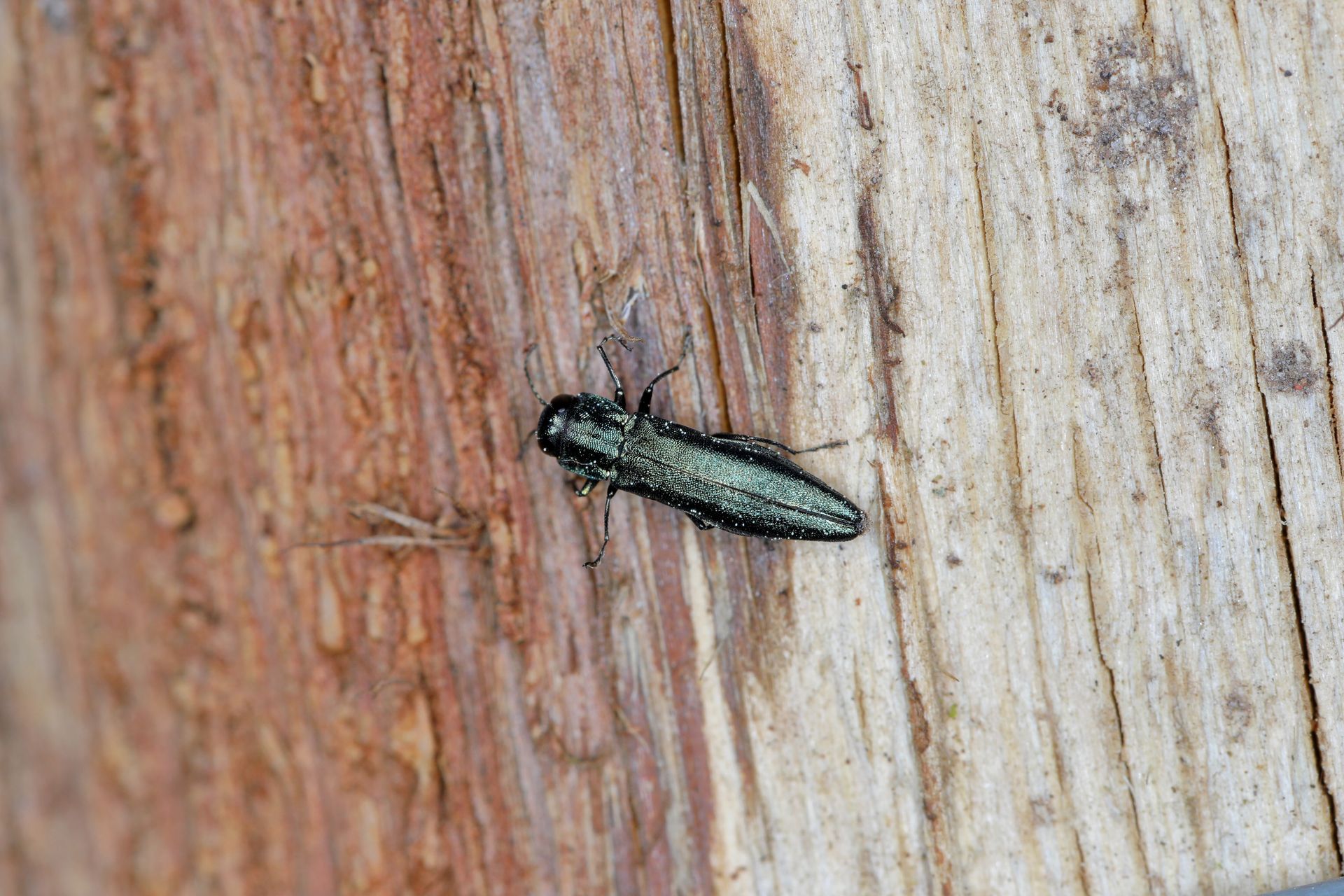
Heat‑stressed trees are more susceptible to insect infestations and fungal diseases. Inspect foliage and bark every few weeks for signs of trouble: chewed leaves, sawdust at the base, or fungus growing on limbs. Dead or dying branches should be removed promptly. Neglected branches can create expensive problems for homeowners when they fail during storms. If you’re unsure whether a limb is safe to remove, contact a professional.
Avoid Heavy Pruning in Summer
While light maintenance is fine, heavy pruning during hot weather can shock trees and expose vulnerable wood to sunscald. Only remove dead, diseased or hazardous limbs in midsummer. Major shaping should wait until winter or early spring when trees are dormant.
Stay Vigilant During Storms
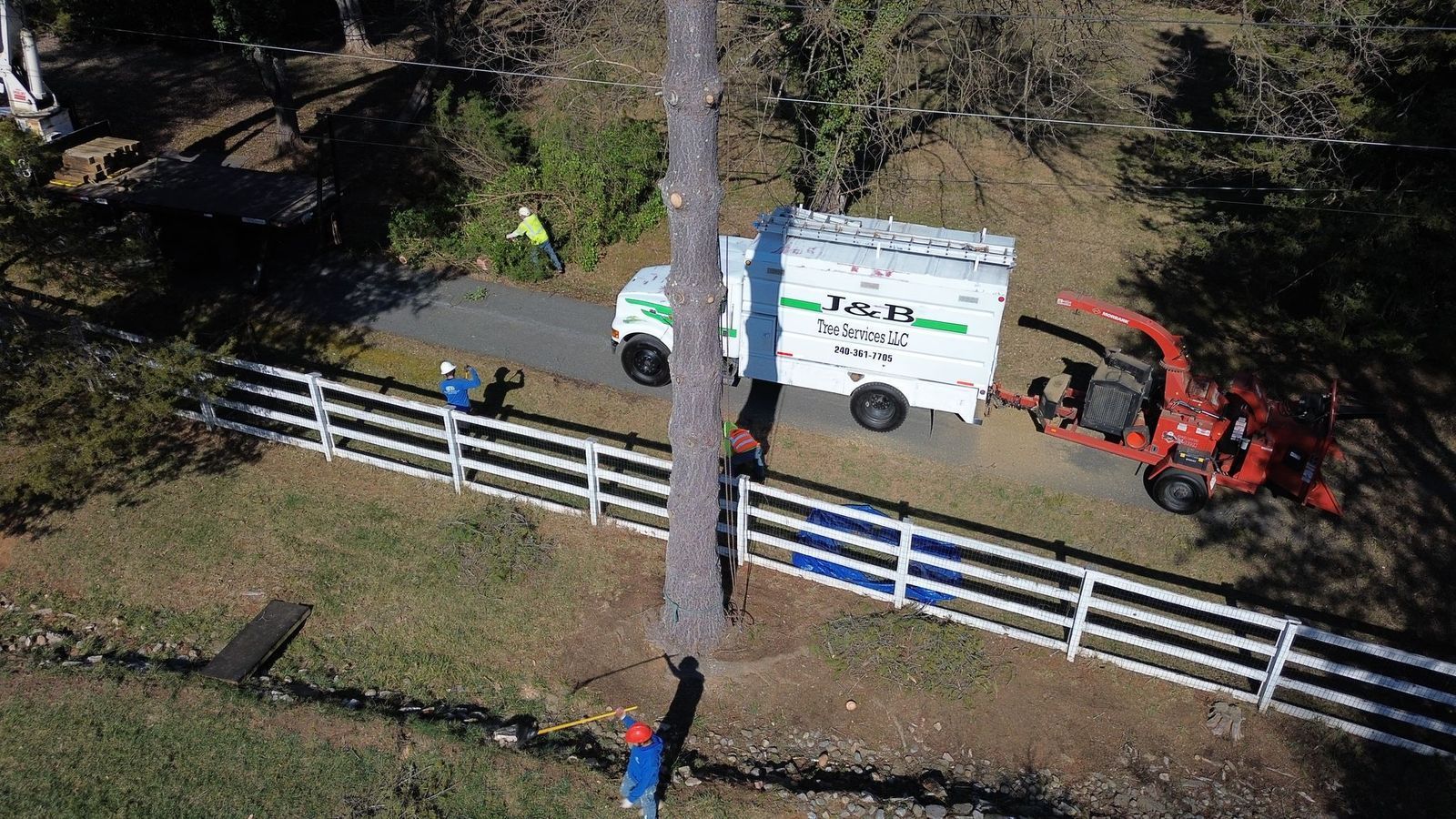
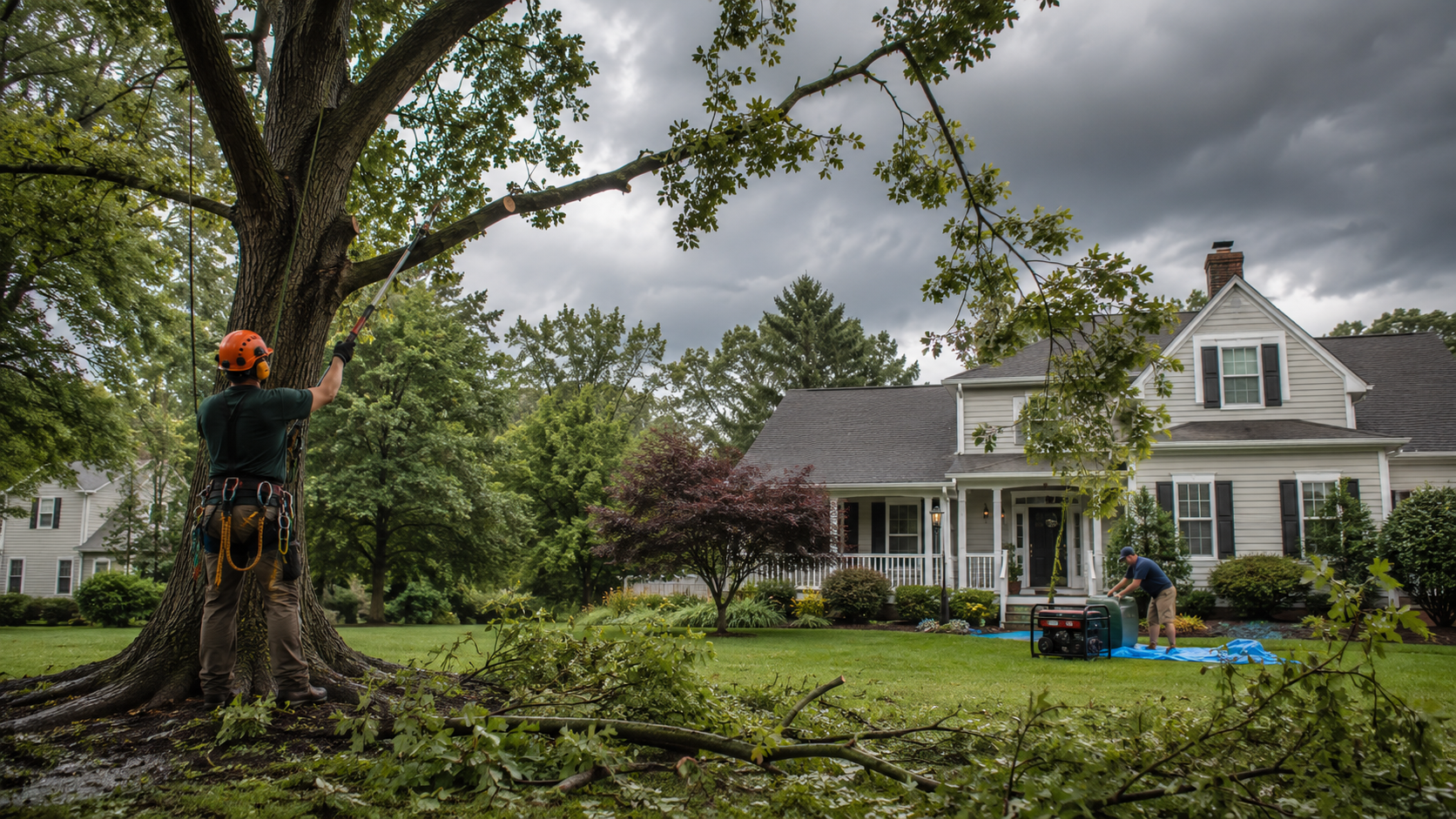
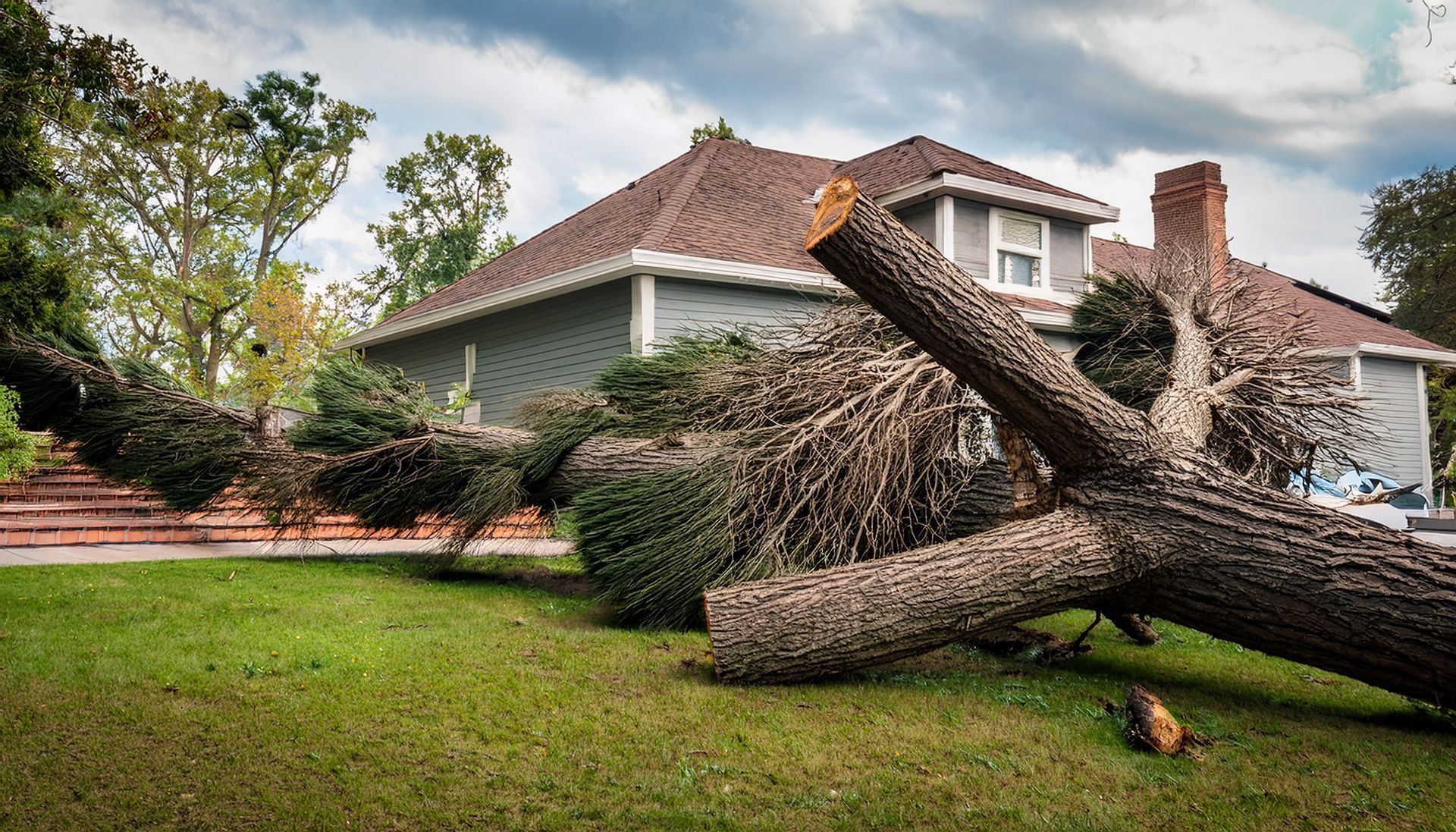
Summer thunderstorms can arrive with little warning. High winds and saturated soil increase the likelihood of branch failures and uprooting. After a storm passes, inspect your trees for hanging limbs, cracks in the trunk or exposed roots. Never attempt to remove large storm‑damaged branches yourself—storm‑damaged trees can shift unexpectedly and may require specialized equipment for safe removal.
Call a Professional for Help
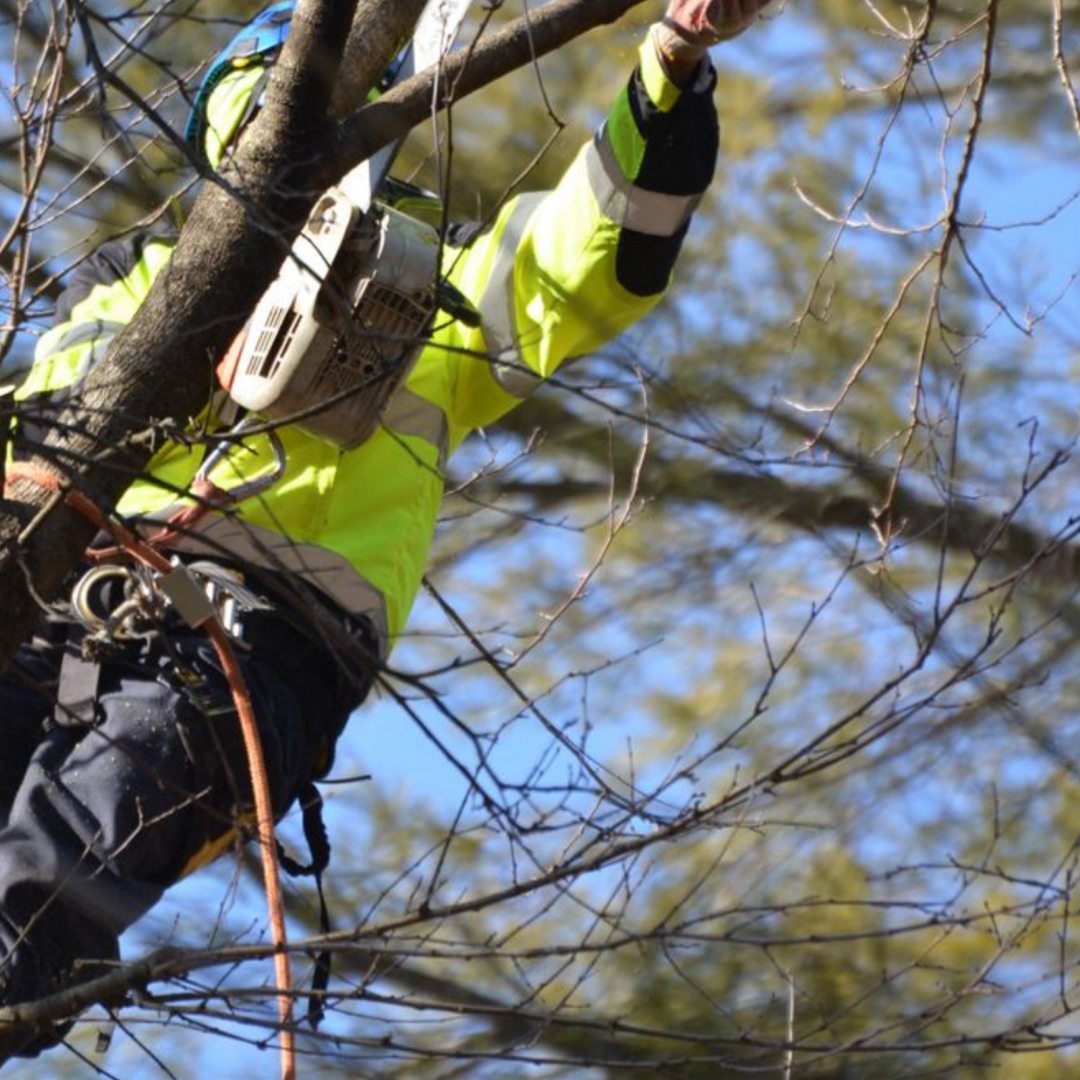
Routine summer tree care reduces the risk of emergencies, but sometimes professional intervention is necessary. If your trees are struggling in the heat, showing signs of disease or pose a safety hazard, contact
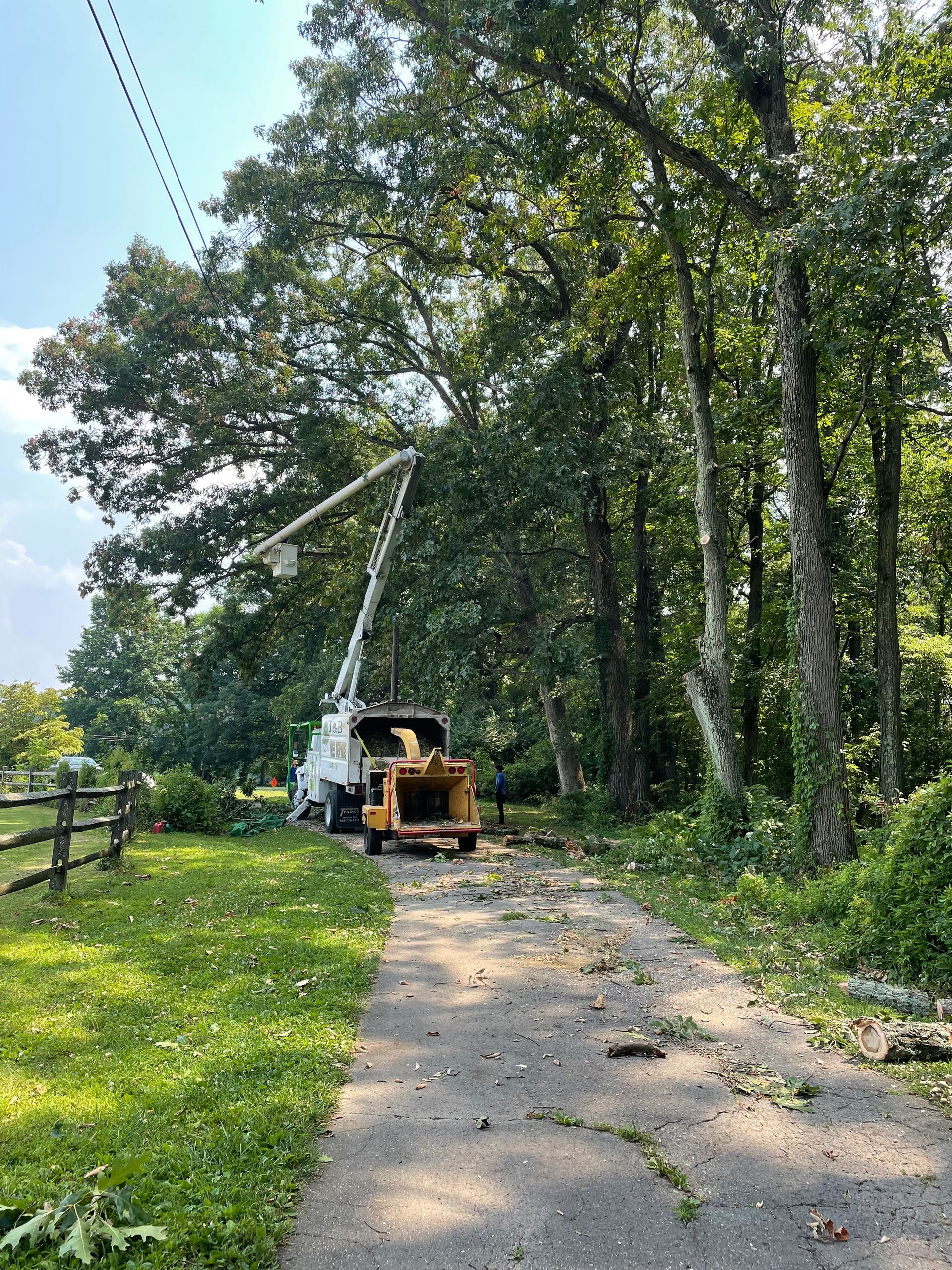
J & B Tree Services, LLC. Our licensed and insured crews provide pruning, trimming and tree removal throughout Gaithersburg, Montgomery County and surrounding Maryland communities. We approach every job with care and safety in mind. Call
240‑361‑7705 today to schedule a free consultation and keep your landscape healthy all summer long.