How to Prepare Your Trees for Hurricane Season in Maryland

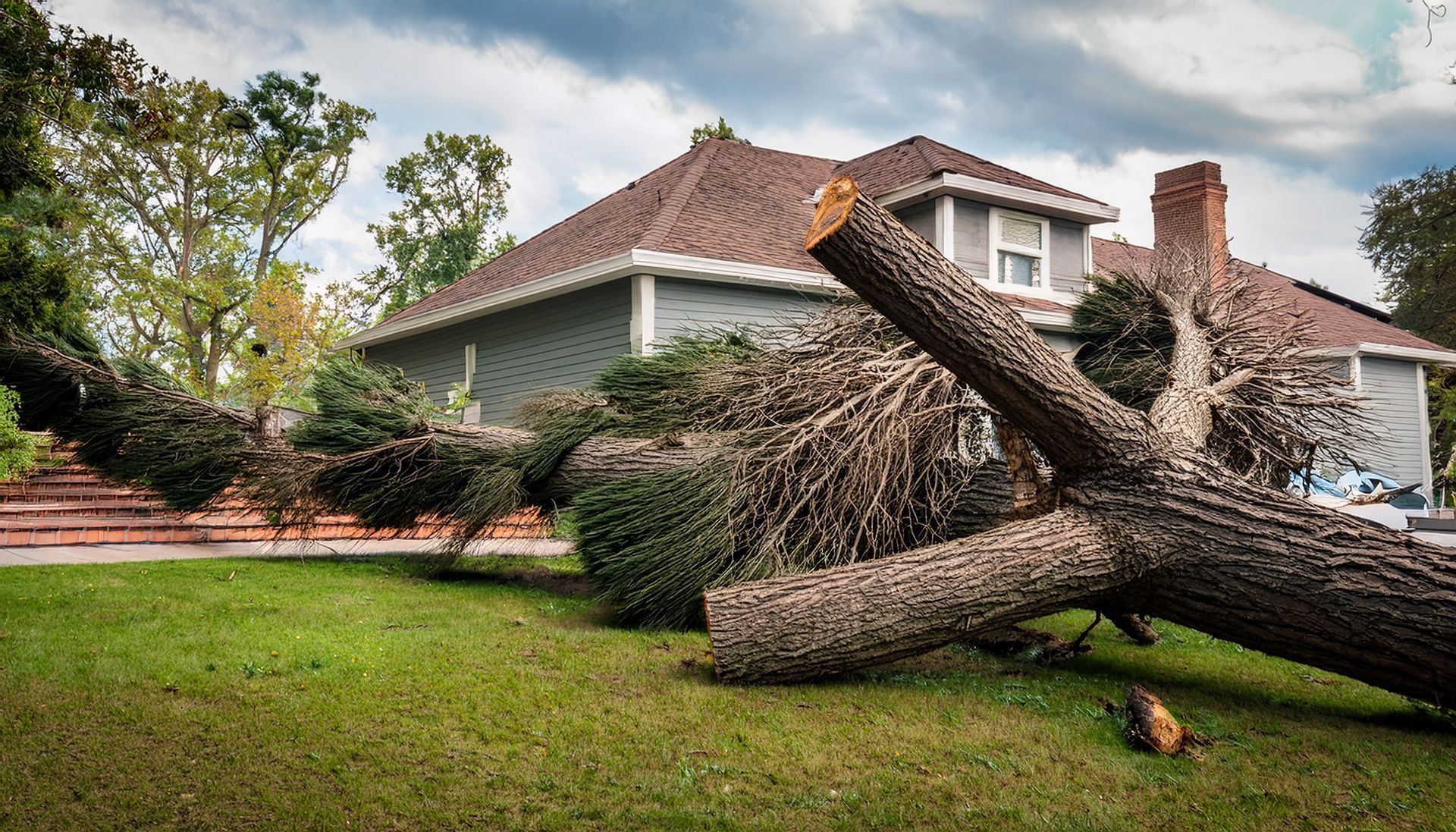
By late August, Maryland’s weather pattern shifts from dry heat to humid afternoons and the occasional tropical storm. Strong winds, heavy rain and saturated soil can weaken tree roots and break branches. After a storm passes, hanging limbs and cracked trunks create hazards that should not be ignored. Taking proactive steps before hurricane season can reduce property damage and keep your family safe.

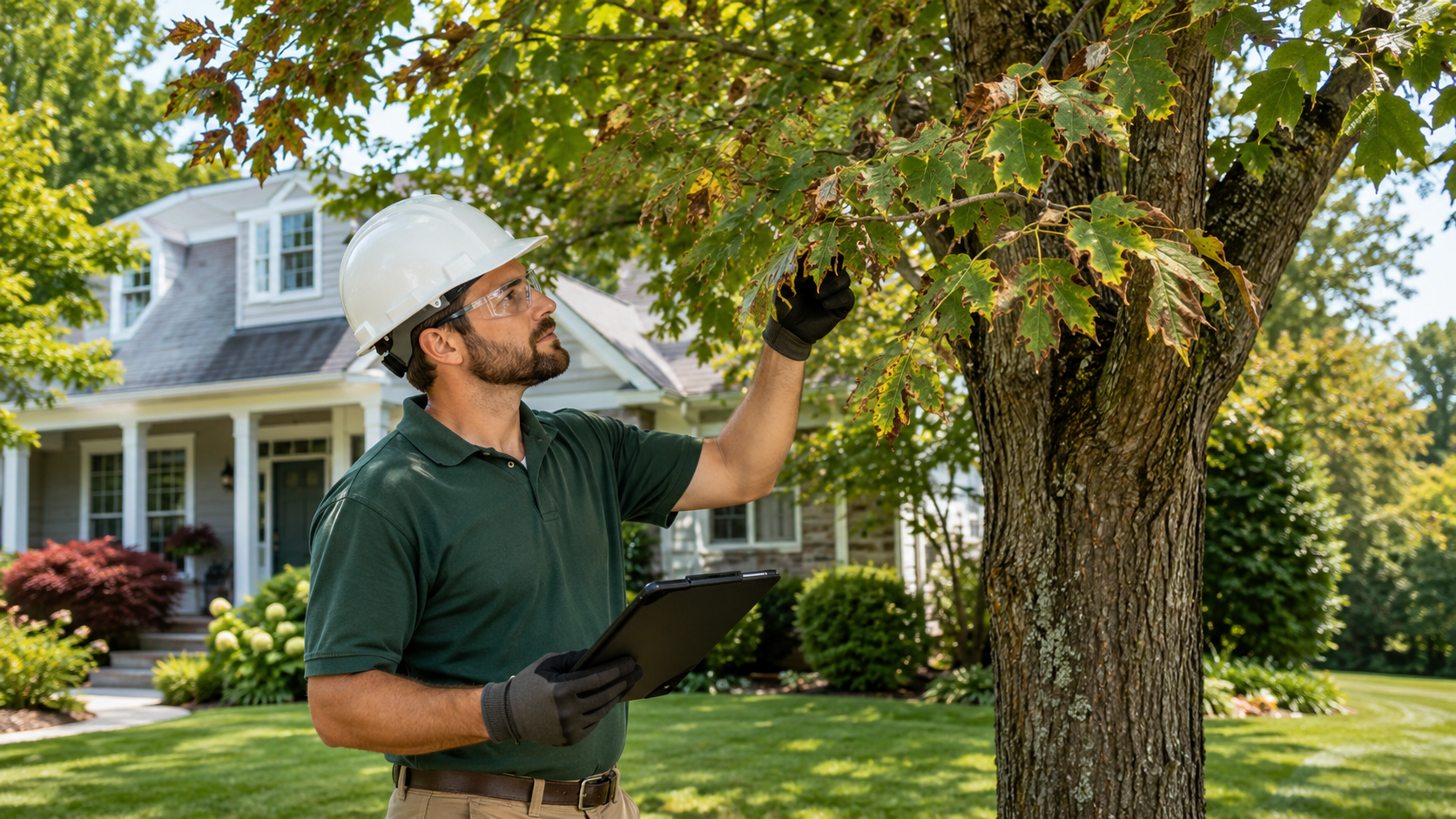
Inspect Trees for Weakness

  • Look for dead or dying limbs: Dead wood breaks easily and should be removed well before a storm hits. Homeowners should watch for branches without leaves during the growing season, bark peeling away or fungus growing on limbs.
  • Check for splits and cavities: Cracks in the trunk or large cavities can indicate internal decay. Trees with hollow or splitting trunks may not have enough strength to withstand wind and saturated soil.
  • Assess lean and root stability: A sudden or worsening lean is a red flag. Exposed roots, lifted soil or cracking pavement suggest that a tree may be uprooting.

If you notice any of these issues, schedule a professional inspection before hurricane season intensifies. Early detection helps prevent emergencies and gives you time to make informed decisions.

Prune and Trim Strategically

Pruning reduces wind resistance and removes hazardous limbs. However, avoid “topping” trees or removing large structural branches unnecessarily. A professional arborist can thin the canopy and remove overextended limbs without compromising the tree’s health. Proper pruning encourages stronger branches and balanced growth.

Secure the Area Around Trees

During a storm, outdoor items can become dangerous projectiles. Before high winds arrive:

  1. Move patio furniture, grills and yard tools indoors or tie them down.
  2. Park vehicles away from large trees and avoid parking under branches that overhang driveways.
  3. Check that gutters and downspouts direct water away from your home’s foundation to prevent soil erosion around tree roots.

Know When to Remove a Tree

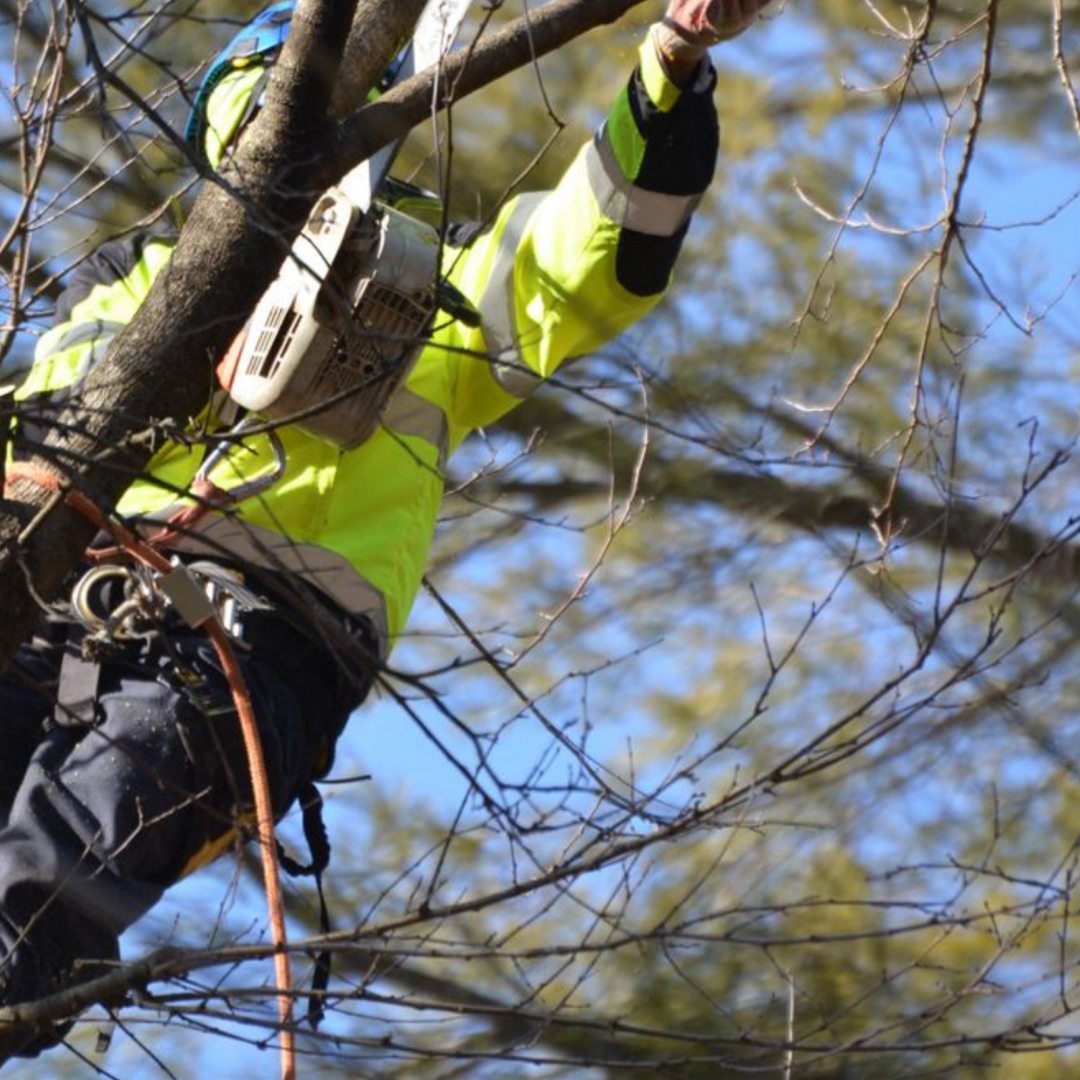
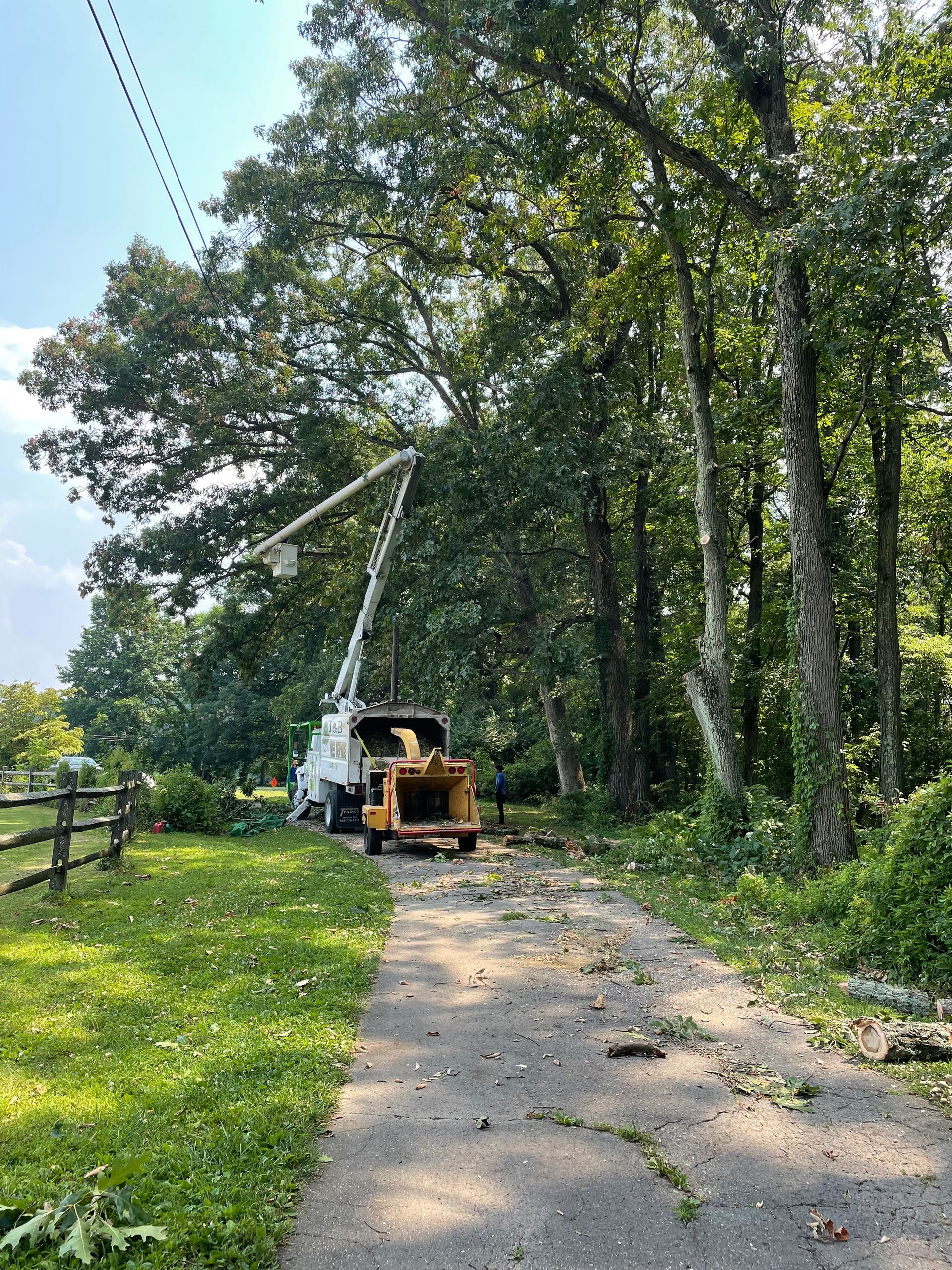
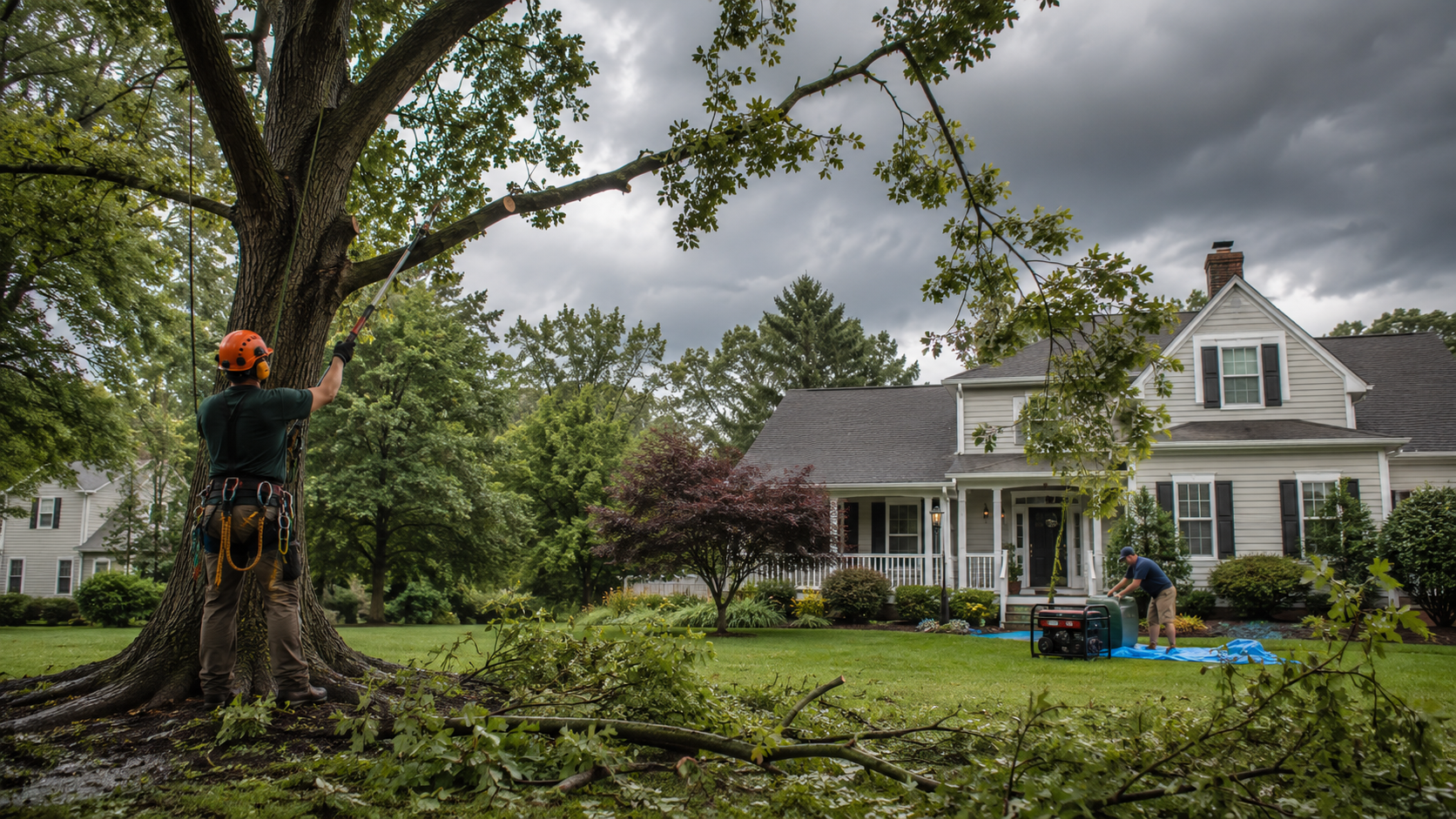
Some trees are simply too hazardous to keep. When a tree is damaged, diseased or too close to a structure, removal may be the safest option. Professional crews have the equipment and training to remove trees safely in tight spaces and during emergencies. Trying to remove large or storm‑damaged trees yourself is extremely dangerous and can lead to property damage or injury.

Your Partner for Emergency Tree Service

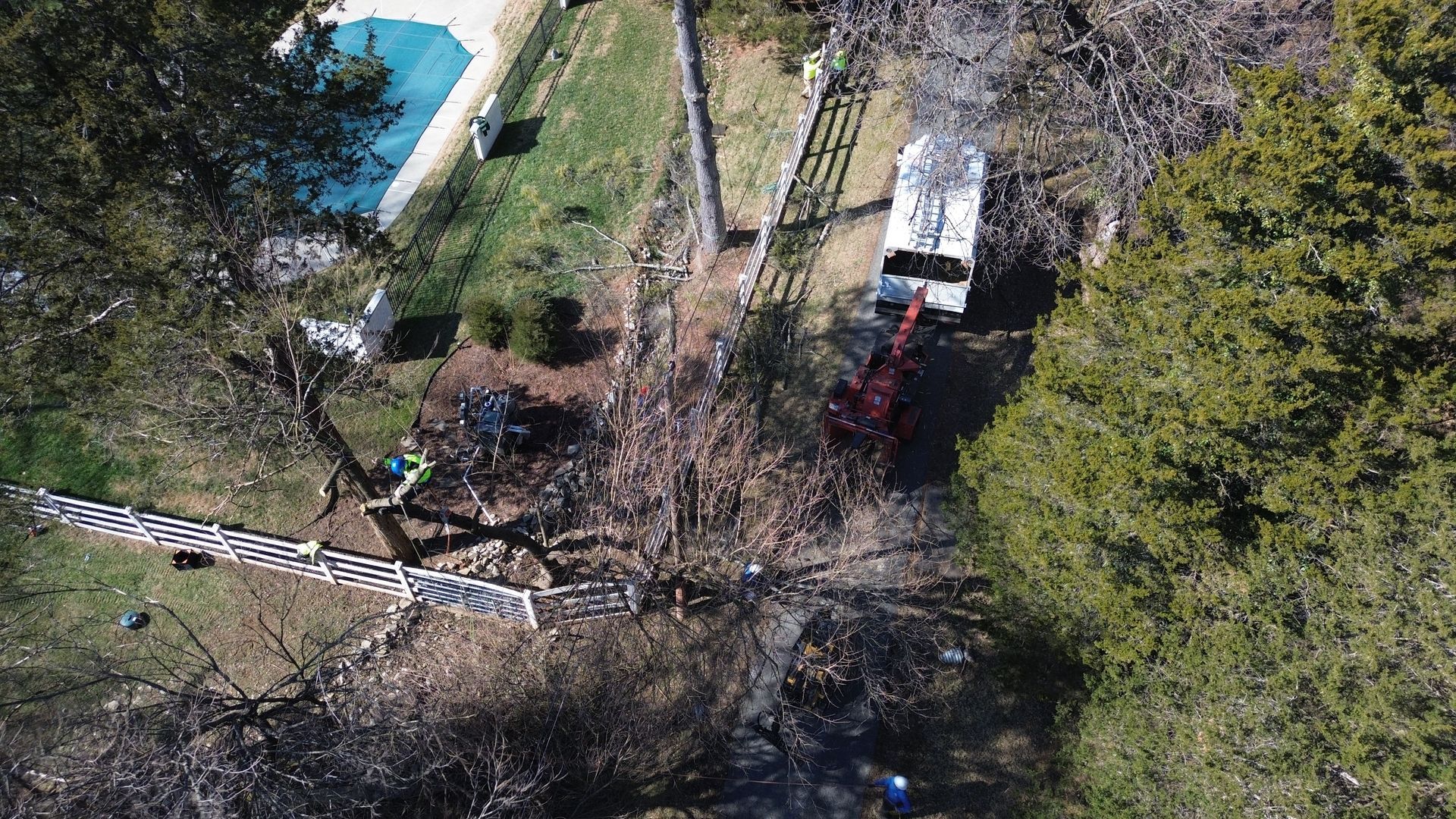
Hurricane season can be unpredictable, but your response doesn’t have to be. J & B Tree Services, LLC offers emergency tree removal and storm cleanup throughout Gaithersburg and Montgomery County. Our team evaluates damaged trees, secures hazardous limbs and performs safe removals when necessary. Whether you need a pre‑storm inspection or immediate assistance after a hurricane, we are here to help. Call 240‑361‑7705 to schedule a free assessment or to request emergency service day or night.

Taking steps now to inspect, prune and prepare your trees will help protect your property and keep your family safe when the next storm arrives.
Recent Posts

By Julio Bonilla July 22, 2026
Learn how to identify emerald ash borer, bagworms, spider mites, and other July tree pests in Gaithersburg and Montgomery County before damage spreads.
 professional tree removal
By Julio Bonilla July 6, 2026
Learn when tree removal may be necessary for safety. J & B Tree Services provides professional tree removal in Gaithersburg, MD, and Montgomery County.
tree pruning Gaithersburg MD, tree care Montgomery County, professional tree trimming, tree maintena
By Julio Bonilla June 22, 2026
Learn the difference between tree trimming and tree pruning. J & B Tree Services provides professional tree trimming and pruning in Gaithersburg, MD.
tree removal Gaithersburg MD
By Julio Bonilla June 5, 2026
Learn when tree removal may be necessary for safety. J & B Tree Services provides professional tree removal in Gaithersburg, MD, and Montgomery County.
By Julio Bonilla May 12, 2026
The Hidden Cost of Ignoring Dead Branches
By Julio Bonilla May 5, 2026
The Hidden Cost of Ignoring Dead Branches
By Julio Bonilla April 30, 2026
How Tree Roots Can Impact Your Property (And What You Should Watch For)
By Julio Bonilla April 9, 2026
The Cost of Waiting: Why Delaying Tree Care Can Get Expensive
By Julio Bonilla March 10, 2026
Seasonal Tree Care Tips for Maryland Homeowners Maryland’s changing seasons bring a variety of weather conditions that can impact the health and safety of your trees. From winter storms and summer heat to spring growth and fall preparation, seasonal tree care is essential for maintaining a strong, healthy landscape year-round. Following proper seasonal tree care tips in Maryland can help homeowners protect their property, improve curb appeal, and prevent costly tree-related issues. Why Seasonal Tree Care Matters Each season presents unique challenges for trees, making year-round maintenance critical. Proper seasonal tree care helps: Promote Healthy Growth: Seasonal pruning and maintenance encourage strong branches and balanced growth. Prevent Storm Damage: Addressing weak or damaged limbs before severe weather reduces the risk of falling branches. Improve Tree Longevity: Regular care helps trees withstand environmental stress and resist disease. Enhance Property Safety: Proactive tree maintenance minimizes hazards to homes, driveways, and power lines. Seasonal Tree Care Tips for Maryland Here’s how homeowners can care for their trees throughout the year: Spring Tree Care Spring is a time of rapid growth, making it ideal for inspections and maintenance. Inspect trees for winter damage such as cracked limbs or broken branches. Schedule pruning to remove dead or damaged growth. Mulch around tree bases to retain moisture and improve soil health. Summer Tree Care Summer heat can stress trees, especially during dry periods. Water trees deeply during extended dry spells, especially young trees. Monitor for pests and signs of disease. Light pruning can help shape trees, but heavy pruning should be avoided. Fall Tree Care Fall is all about preparation for colder months. Remove weak or hazardous branches before winter storms arrive. Clear fallen leaves and debris to prevent fungal growth. Schedule tree inspections to identify potential risks before snow and ice. Winter Tree Care Winter is an excellent time for certain tree services. Dormant pruning helps promote healthy spring growth. Address hazardous trees that could fail under snow or ice. Plan future tree care projects for the coming year. Trust J&B Tree Services for Year-Round Tree Care At J&B Tree Services, we provide expert seasonal tree care services in Maryland tailored to your property’s needs. From pruning and inspections to tree removal and emergency services, our experienced team ensures your trees remain healthy, safe, and well-maintained through every season. Contact us today to schedule professional tree care and protect your landscape all year long. Helpful Resources https://www.arborday.org/tree-care-maintenance https://extension.umd.edu/resource/home-and-garden-sitemap/
By Julio Bonilla March 1, 2026
When Should You Remove a Tree? Key Warning Signs Maryland Homeowners Should Watch For Trees add beauty, shade, and value to a property, but sometimes they can also pose serious safety risks. Knowing when a tree should be removed is an important part of protecting your home and maintaining a healthy landscape. While many trees can be preserved through proper care and pruning, others may become hazardous due to damage, disease, or structural instability. Common Reasons Trees Need to Be Removed Tree removal is often necessary when a tree becomes a safety concern or can no longer be maintained safely. Some of the most common reasons include: Severe Storm Damage- Strong winds, lightning, and heavy snow can cause structural damage that makes a tree unstable. Disease or Decay- Fungal growth, hollow trunks, and rotting wood can weaken a tree’s structure over time. Leaning Trees- A tree that suddenly begins leaning or shifts after a storm may have root damage that compromises its stability. Roots Damaging Property- Tree roots can sometimes interfere with sidewalks, driveways, or building foundations. Dead Trees- A dead tree quickly becomes brittle and unpredictable, increasing the likelihood of falling limbs or complete collapse. Warning Signs That a Tree May Be Dangerous Homeowners should regularly inspect their trees for warning signs that indicate a potential hazard. These signs may include: Large dead branches Deep cracks in the trunk Mushrooms or fungal growth near the base Peeling or missing bark Excessive leaning Hollow areas within the trunk If you notice these issues, a professional tree evaluation can determine whether removal is necessary. Why Professional Tree Removal Is Important Tree removal can be complex and dangerous, especially when trees are located near homes, power lines, or structures. Professional tree service companies use specialized equipment and safety techniques to safely remove trees while minimizing risk to surrounding property. Attempting to remove a large tree without proper training can result in serious injury or costly damage. Protecting Your Property and Landscape Removing a hazardous tree can help prevent property damage and create space for healthier trees and landscaping. After removal, services like stump grinding can also help restore the appearance and usability of your yard. Get a Professional Tree Assessment If you're unsure whether a tree on your property should be removed, a professional evaluation can provide peace of mind. Early detection of potential problems allows homeowners to take action before a dangerous situation develops. At J & B Tree Services, LLC , we help Maryland homeowners make informed decisions about tree removal, trimming, and overall tree care.
Show More